Pakistan has one of the world’s youngest populations, with an estimated 60-64% of its 240 million people under the age of 30. In such a demography, the need for healthy, constructive engagement has never been greater. Yet globally recognised combat sports such as boxing, judo and other martial arts remain overlooked and misunderstood, often dismissed as violent and dangerous. This misconception denies young people access to a powerful platform for personal growth and discipline.
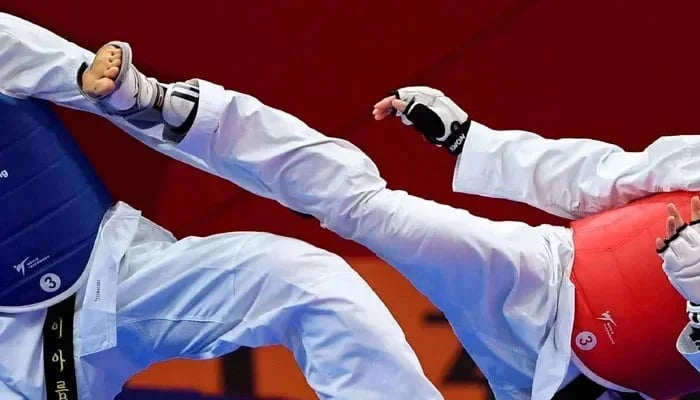
The belief that martial arts promote violence is deeply rooted in public perception, shaped largely by media portrayals and a lack of factual awareness. Many assume these disciplines encourage hostility. In reality, the opposite is true. Martial arts are not about uncontrolled fighting. They are about control, structure and responsibility. Every movement is regulated, every action governed by rules, and every athlete is trained to prioritise safety and respect above all else.
Respect, discipline and self-control lie at the heart of all combat sports. From the first day, athletes are taught to respect opponents, obey coaches and maintain composure under pressure. This training instils accountability and self-restraint – qualities essential not only in sport but in daily life. In a society like Pakistan, where emotional regulation is often neglected, such training is invaluable.
For Pakistani youth, the benefits go further. Many face limited opportunities, social pressure and a lack of purpose. Combat sports provide direction and a sense of purpose. They build confidence, resilience and mental toughness. A student who learns to push through physical exhaustion in training develops the perseverance needed to cope with academic pressure and the challenges of practical life.
Crucially, combat sports act as a deterrent to violence rather than a cause of it. Athletes trained in controlled environments develop a deeper understanding of the consequences of force. That awareness fosters restraint. Instead of resorting to street violence, they are more likely to avoid conflict and use force only when absolutely necessary – and then only in the ring, under strict supervision and rules.
Moreover, combat sports have strong potential for social impact in Pakistan. By engaging underprivileged youth and giving them a healthy, structured outlet for their energy, these disciplines can reduce idleness and frustration. The gradual increase in female participation in martial arts, though slow, is a positive step towards gender equality and greater inclusivity.
Despite these advantages, growth is hindered by limited institutional support from both the government and the corporate sector. There is an urgent need for recognition, funding, infrastructure and grassroots policies. Schools and colleges must integrate combat sports into their programmes. Government and private organisations should invest in facilities, coaching and talent identification. Supporting youth-led initiatives will further expand the reach of these disciplines.
Equally important is the role of media and public discourse in reshaping perception. By highlighting success stories and the positive influence of combat sports, these disciplines can be reframed – not as symbols of violence, but as tools for peace, discipline and nation-building.
In conclusion, combat sports are more than physical contests. They are a pathway to confidence, character and discipline. In Pakistan, where the youth hold the key to the future, embracing and promoting such disciplines can produce a more resilient, confident and responsible generation – better equipped to meet modern challenges than the forces of extremism.
It is time to break the stereotype and embrace combat sports for what they truly are: a force for positive change.