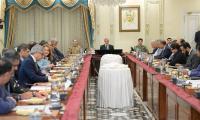
ISLAMABAD: More than 60 members of parliament have gone to Saudi Arabia for performing Haj and they are expected to return home in the first week of June forcing the government to make adjustment for summoning the National Assembly and Senate budget sessions. Sources told The News on Tuesday that the government had initially planned to summon the sessions of two houses separately on June 1 but now they would likely be convened on June 5. This date could be adjusted further if proposed talks between Iran and the US are held during these days in Islamabad.
The government has planned to wrap up discussions and adopt the budget proposals till June 24. The budget is required to be approved before June 30 so that its proposals get legal binding from July 1 across the country. The sources disclosed that regular session of the National Assembly would commence on August 3 and the Senate the same week.
The discussion on the much-talked-about 28th Amendment of the Constitution could be held in the two sessions provided the government makes up its mind for its introduction till then. With this, the question of introduction of constitutional amendment has been deferred till August. It wouldn’t be brought in the proposed budget sessions of the two houses. None of the government officials have given any hint for initiating discussion on the constitutional amendment so far.
In the meanwhile, pre-budget economic survey has been scheduled for June 4. The upcoming financial plan is being finalised under strict guidelines from the International Monetary Fund (IMF) to secure federal revenue targets of Rs17.1 trillion. The IMF has mandated that the federal government should aim for Rs17.14 trillion in total revenues, requiring Rs430 billion in new budgetary measures and an 18 per cent increase in the petroleum levy. Due to tight fiscal constraints and pressure from the IMF, a blanket basic salary increase for government employees is unlikely. Instead, tax relief is under consideration for the middle-income bracket (annual incomes between Rs600,000 and Rs2.5 million).
In another development, the government and opposition in the two houses have engaged for establishing working ties of the two sides. The rendezvous for a meeting between the prime minister and opposition leaders was being worked out through their close associates. If a deal is done, the opposition would take part in the budget making process through tabling cut motions in the two houses. It would help in enhancing the credibility of annual fiscal documents, the sources opined.