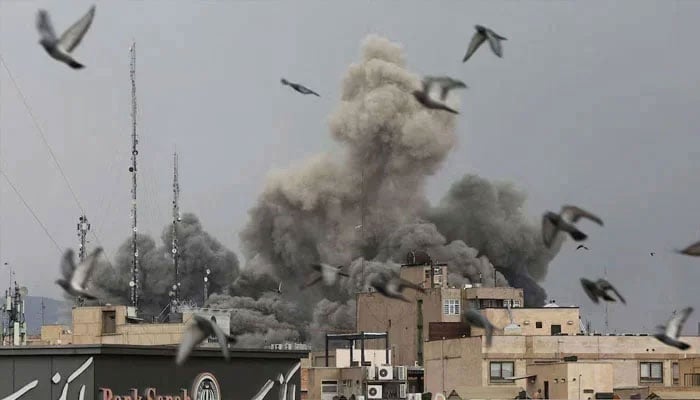
ISLAMABAD: Pakistan has emerged as the most economically vulnerable country in the Asia-Pacific region under a prolonged Middle East conflict scenario, according to a new assessment by S&P Global Market Intelligence, which warns that the country’s fragile external position, heavy energy dependence and limited fiscal buffers could expose it to severe macro-financial stress in the coming years.
The report paints a challenging outlook for Pakistan’s economy as geopolitical tensions in the Middle East continue to disrupt global energy markets and trade routes. S&P Global Market Intelligence projects Pakistan’s real GDP growth to slow to 3.2 per cent in fiscal year 2027, cautioning that risks remain “firmly tilted to the downside.”
At the heart of the concern is Pakistan’s overwhelming dependence on Gulf economies. The country imports nearly all of its crude oil requirements from the Middle East while also relying heavily on remittances sent home by millions of Pakistani workers employed in Gulf Cooperation Council (GCC) countries. Any sustained regional disruption, analysts warn, could quickly translate into higher fuel prices, weaker external balances, rising inflation, and renewed pressure on the rupee.
Ahmad Mobeen, principal economist at S&P Global Market Intelligence, said Pakistan is uniquely exposed among major Asia-Pacific economies because of its structural vulnerabilities.
“Pakistan is likely to experience the most acute effects of a prolonged Middle East war shock due to its high dependence on imported energy and industrial inputs from the region combined with improving but still limited external and fiscal buffers,” he said.
According to the assessment, higher energy prices could reverse recent improvements in Pakistan’s current account position and intensify depreciation pressures on the local currency. Inflation, which has only recently begun easing after a prolonged crisis period, could remain elevated for an extended duration if global oil prices surge further.
The report also suggests that the government’s room for economic manoeuvring is shrinking. While Islamabad’s initial policy responses may soften the immediate impact of external shocks, policymakers could soon face difficult choices between preserving macroeconomic stability, supporting economic growth, and maintaining fiscal consolidation targets agreed under ongoing IMF programmes.
S&P warns that without additional support from bilateral allies and multilateral lenders, Pakistan’s economic management could become increasingly complicated in the face of prolonged geopolitical instability.
The manufacturing sector is expected to be among the worst affected. Rising fuel and transportation costs, coupled with supply-chain disruptions across regional trade corridors, are projected to increase production expenses and weaken export competitiveness. Imported raw materials and industrial inputs may become more expensive, further straining businesses already coping with high financing costs and subdued domestic demand.
Agriculture — a critical pillar of Pakistan’s economy — could also face mounting pressure. The report highlights risks of fertiliser shortages and slower remittance growth, both of which may directly affect rural incomes and crop productivity. Economists fear that any sustained increase in agricultural input costs could eventually feed into broader food inflation across the country.
The services sector is unlikely to remain insulated either. Analysts believe second-round inflationary effects could suppress consumer spending, with transport, wholesale trade, and retail businesses particularly vulnerable to a slowdown in household purchasing power.
Despite these risks, Pakistan has managed to strengthen its external buffers somewhat in recent months. Support from Gulf allies, including a fresh Saudi deposit and expected rollovers of existing facilities, has provided temporary breathing space. Continued access to IMF-linked financing mechanisms has also helped stabilize near-term market sentiment.
However, the report cautions that Pakistan’s debt obligations remain substantial. The recent repayment of $3.5 billion to the UAE highlights the scale of future financing commitments. S&P Global Market Intelligence estimates that Pakistan’s gross external financing requirements will average nearly $24 billion annually between 2026 and 2030.