ISLAMABAD: Pakistan has approved the import of an additional 100 megawatts of electricity from Iran, increasing total electricity supply for Balochistan’s coastal region to 204MW.
The move aims to improve electricity availability in Gwadar and nearby districts, where national grid currently supplies only 40-45MW continuously.
In a decision on May 13, the National Electric Power Regulatory Authority approved revised tariff and transmission agreements between the Central Power Purchasing Agency Guarantee Limited (CPPA-G) and Iran’s state-owned electricity company TAVANIR.
The regulator approved Amendments 7, 8, and 9 to bilateral electricity import agreement after arrangement was endorsed by the Economic Coordination Committee (ECC) in August 2023.
Under the revised deal, Pakistan will continue importing 104MW from Iran and will additionally receive 100MW through Polan-Gabd transmission corridor. The extra supply is intended to strengthen electricity provision for Gwadar, Jiwani and other areas of Makran division.
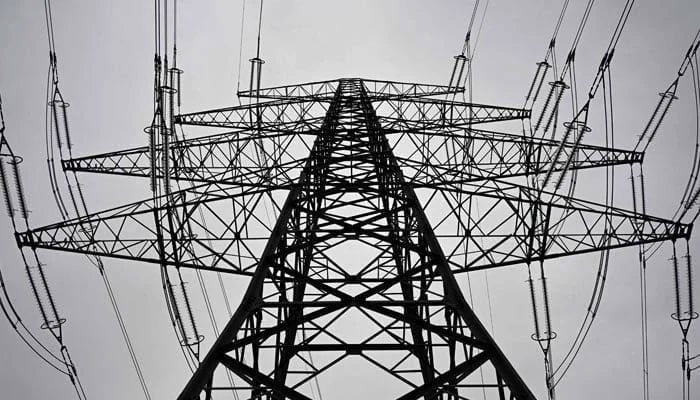
Pakistan will construct a new 28-kilometre 230kV double-circuit transmission line connecting Iranian supply to Jiwani-Gwadar infrastructure, while Iran will deliver electricity through its own 230kV transmission network.
Nepra also approved a revised oil-linked tariff formula for imported electricity. The pricing mechanism sets a base rate of 3.6 US cents per kilowatt-hour, plus an additional amount linked to monthly average OPEC basket oil price. At an assumed oil price of $60 per barrel, the electricity tariff would be around 8.4 US cents per unit.
The regulator emphasised strategic importance of Iranian electricity imports for Pakistan’s southwestern coastal areas, warning unreliable electricity supply could negatively affect economic activity and development projects associated with Gwadar.
During proceedings, Quetta Electric Supply Company (QESCO) said without Iranian imports, the national grid can currently provide only 40-45MW of uninterrupted electricity to Gwadar despite emergency operational measures.
QESCO informed Nepra several shunt reactors have already been activated at Dadu, Khuzdar, Panjgur and Turbat grid stations to improve voltage stability. Automatic Voltage Regulators (AVRs) have also been installed at Gwadar Door and Deep Sea Port feeders.
The company said OMS-Burqaab consortium has been awarded a contract for regional voltage stability studies and implementation. Plans are underway to install a STATCOM reactive power compensation system within next 24 months, depending on equipment availability.
Concerned about long-term dependence on external energy sources, Nepra directed CPPA-G, QESCO, Independent System & Market Operator (ISMO) and National Grid Company (NGC) to jointly submit a detailed six-month roadmap for future electricity supply in the region.
The roadmap must include system reliability assessments, integration with national grid, local power generation options, electricity demand forecasts and institutional coordination measures to ensure long-term energy security for Balochistan’s coastal region.