ISLAMABAD: The International Monetary Fund (IMF) has raised concerns over Pakistan’s proposed gas circular debt management plan, questioning key measures including a proposed petroleum levy and the use of state-owned company dividends to retire liabilities, officials familiar with the discussions said.
The government recently presented a plan to the IMF as part of ongoing negotiations under the Fund programme. However, contrary to reports suggesting approval, the IMF officials have not endorsed the proposal and instead sought further explanations on several components of the strategy.
According to senior Energy ministry officials, the IMF representatives carefully reviewed the presentation made by the Petroleum Division but flagged concerns that imposing a new levy on petrol and diesel could increase fuel prices and add inflationary pressure on consumers. The Fund also questioned whether diverting dividends from public-sector energy companies toward debt retirement aligns with standard corporate practices.
Officials said the IMF mission would formally communicate its queries to Pakistani authorities in the coming days seeking written explanatory answers.
Pakistan’s gas-sector circular debt has climbed to around Rs3.4 trillion, driven largely by mounting late payment surcharges (LPS), estimated at Rs1.6 trillion. The actual debt stock stands near Rs1.5 trillion after excluding tax-related liabilities, according to official estimates.
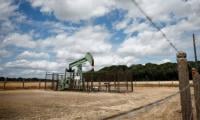
The mounting liabilities have strained cash flows across the energy chain, leaving exploration and production firms including OGDCL, PPL, Mari Energies, GHPL, MOL Pakistan and Pakistan Oilfields Limited waiting for roughly Rs1.5 trillion in outstanding payments from gas utilities.
To tackle the crisis, a high-powered committee, headed by Deputy Prime Minister Senator Ishaq Dar, approved a comprehensive debt management plan earlier in January 2026. The committee includes ministers from key economic and energy ministries, as well as representatives from the Special Investment Facilitation Council (SIFC) and the Energy Task Force.
The plan proposes a combination of fiscal and operational measures to gradually retire the debt over five years. Among the major proposals is a petroleum levy of up to Rs5 per litre on petrol and diesel, expected to generate approximately Rs90 billion
annually. The government also plans to divert 35 LNG cargoes to international markets in 2026, a move officials say could save over $1 billion in import costs and generate around Rs160 billion
per year.
Another key component involves waiving late payment surcharges for government-owned entities on the grounds that most buyers and sellers in the gas chain are state-owned institutions. However, Pakistan State Oil (PSO) would still be required to settle its surcharge liabilities because of its commercial bank borrowing exposure.
The government has additionally proposed eliminating around Rs210 billion in accumulated GST and income tax liabilities tied to the gas sector.
Officials claim some progress has already been made in reducing losses. The cost of RLNG diversion to domestic consumers has reportedly fallen from Rs242 billion to Rs185 billion, producing savings of Rs57 billion. Improved recovery efforts by Sui Northern Gas Pipelines Limited and Sui Southern Gas Company have also generated an additional Rs61 billion in collections.The IMF has repeatedly identified Pakistan’s growing energy-sector circular debt as one of the country’s most serious fiscal vulnerabilities, warning that unchecked liabilities threaten financial stability, investment and energy-sector sustainability.