LAHORE: Strong local governments are fundamental to a strong democracy and serve as a guarantee of civil liberties and effective governance at the grassroots level. There is urgent need to conduct local government elections in Punjab without further delay. The speakers made this appeal while addressing a provincial roundtable conference on Thursday.
The conference held on the topic of “Need and Importance of Immediate Elections to Local Government Institutions in Punjab” brought together a wide spectrum of stakeholders including legal experts, politicians, parliamentarians, government officials, political representatives, civil society members, academia, media professionals and community members representing urban and rural constituencies.
The conference drew participation from approximately 200 individuals representing diverse sectors across Punjab. Among the notable attendees were Provincial Minister for Local Government and Community Development Zeeshan Rafique, Provincial Minister for Minorities and Human Rights Sardar Ramesh Singh Arora and Punjab Land Record Authority (PLRA) Chairman Ch Tariq Subhani.
They stated that the government is focused to conduct local government elections in near future and all the necessary procedural arrangement being completed at a reasonable pace. There will be no delay in the conduct of elections to a fully empowered local government system in Punjab.
While acknowledging the efforts of provincial government and the Punjab Assembly in promulgating the Punjab Local Government Act (PLGA) 2025, the forum urged authorities to expedite the electoral process to ensure that elected local governments become operational within the coming year.
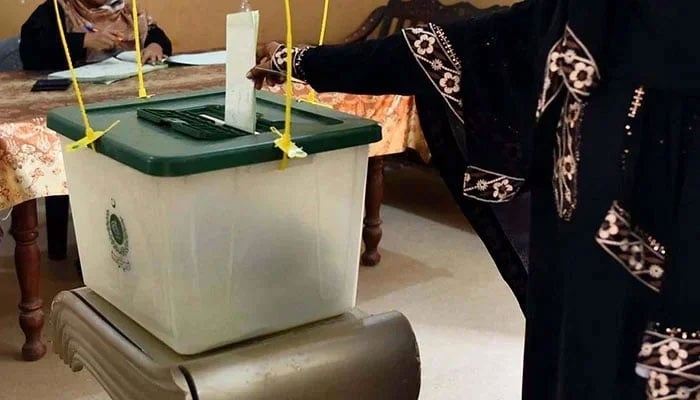
The forum firmly rejected the ‘show of hands’ method for elections and demanded that all local government elections be conducted through secret ballot to ensure transparency and credibility.
The conference appealed to CM Punjab, Speaker Punjab Assembly Malik Ahmad Khan, and other lawmakers to take immediate notice of the recommendations and introduce necessary amendments through legislation or a Governor’s Ordinance.
Speaking at the occasion Prof Dr Amjad Magsi underscored the need of a robust local government system for addressing everyday public issues effectively and ensuring efficient service delivery at the grassroots level.
He stressed that empowered local institutions are key to responsive governance and democratic accountability.
Arshad Mahmood Mirza highlighted the necessity of aligning the local government system with Articles 32 and 140-A of the Constitution of Pakistan.
Salman Abid recommended the restoration of Metropolitan Corporations in major urban centers, with Town Corporations functioning under their administrative framework to ensure better coordination and streamlined governance.
Sangat Development Foundation Executive Director Zahid Islam proposed several structural reforms to improve the effectiveness of local government institutions.
These included the formation of Union Councils based on population size, with each council representing 25,000 to 30,000 people, and the replacement of the existing multi-member ward system with nine single-member wards in each Union Council.
Highlighting gender concerns, Ms Bushra Khaliq expressed serious reservations over the low representation of women in the proposed system, terming it disappointing.
Echoing these concerns, Ms Hina Noureen recommended increasing women’s representation to at least three seats per Union Council and raising overall representation in local bodies from the current 14 percent to between 25 and 33 percent.
The conference further stressed the importance of inclusive representation for marginalised groups, including minorities, farmers, laborers, youth, persons with disabilities, and transgender individuals.
South Asia Partnership Executive Director M Tahseen demanded that financial autonomy be provided to the local government institutions. He called for granting local government institutions the authority to generate and utilize their own resources. Irfan Mufti highlighted the need for a transparent accountability mechanism and improved public access to information.