ISLAMABAD: Buddhism’s connection with Pakistan is celebrated and enduring, rooted in the ancient land of Gandhara, where Buddhist thought, art and spirituality flourished, while the legacy of Buddhist Gandhara remains woven into Pakistan’s socio-cultural fabric and continues to shape the country’s pluralistic and progressive outlook. The International Day of Vesak, often called Buddha Day, is the holiest day in Buddhism, commemorating the birth, enlightenment and passing (Parinirvana) of Gautama Buddha. Recognised by the UN since 1999, it is observed annually.
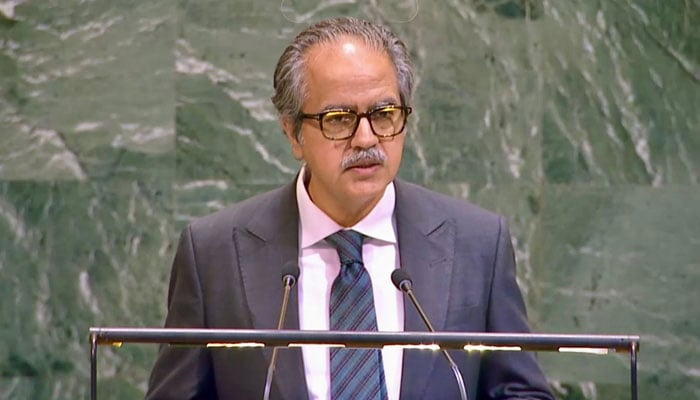
While speaking on the occasion, Permanent Representative of Pakistan to the United Nations, Asim Iftikhar Ahmad emphasised: “This heritage also strengthens Pakistan’s advocacy for interfaith harmony and peaceful coexistence, including through the General Assembly resolution on the promotion of inter-religious and intercultural dialogue, understanding and cooperation for peace”. In his message on the Day of Vesak, UN Secretary General, António Guterres, highlighted the Buddha’s timeless teachings of non-violence, compassion and service as essential tools to tackle modern global turmoil. He encouraged the use of these principles to foster solidarity and bridge divides for a more peaceful and sustainable world.
Vesak Day 2026 was celebrated in Pakistan on May 2 with a major event at Dharmarajika Stupa and the Taxila Museum. The celebration brought together diplomats from Buddhist nations, including Sri Lanka, Thailand, Nepal, Myanmar and Vietnam. Pakistan, on the International Day of Vesak, highlighted its deep and enduring connection with Buddhism, noting that monks, scholars and visitors from Buddhist countries continue to travel to Pakistan throughout the year to visit historic Buddhist sites, including Taxila, Swat and Takht-e-Bahi.