ISLAMABAD: In a highstakes move to stabilise national security operations and religious obligations against the backdrop of a volatile global energy market, Pakistan’s oil refining sector has agreed to a multi-billion rupee relief package. Under a landmark agreement reached with the federal government, refineries will supply critical fuels to the armed forces and Haj flight operations at heavily subsidised, “pre-Iran war” rates through June 30, 2026.
The deal, brokered by Federal Minister for Petroleum Ali Pervaiz Malik during a National Clean Management Committee (NCMC) meeting, effectively decouples military fuel costs from the current Gulf war-induced price spikes. Specifically, the Pakistan Army and Air Force will receive superior kerosene oil (SKO) and JP-8 jet fuel at rates prevailing before the conflict. This intervention is strategically timed, as the military maintains a high-intensity presence on the western border and continues kinetic operations against terrorist hideouts in Afghanistan.
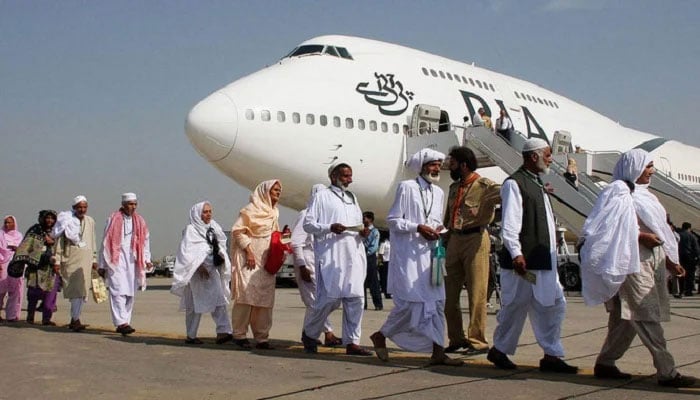
Beyond the battlefield, the agreement extends a financial lifeline to the faithful. Refineries have committed to providing JP-1 fuel for Haj flights at price levels locked in on March 1, 2026. This measure is designed to prevent a surge in airfares, ensuring that the pilgrimage remains financially accessible for thousands of Pakistanis during the current season.
According to Petroleum Division officials, this corporate sacrifice will cost refineries an estimated Rs 6 to 7 billion per month, culminating in a total projected impact of Rs 10 to 12 billion by the end of June.
Industry leaders emphasised that this gesture comes despite significant headwinds facing the refining sector. Confirming this, Adil Khattak, Managing Director of Attock Refinery Limited (ARL), said the refineries agreed to the above heavily discounted pre-war prices only in the supreme national interest and on the request of petroleum minister, who is highly respected and admired for his consultative approach with the industry and his support for upgradation of refineries, which has been delayed for last three years for one reason or another, causing $ 1-1.5 billion loss per annum to the country.
The senior official also mentioned that the refineries had already absorbed a loss of Rs24 billion in April after locking diesel cracks at $41.5 per barrel under a separate government-backed formula.