ISLAMABAD: The Senate Sub-Committee on Poverty Alleviation and Social Safety on Wednesday directed the Pakistan Bait-ul-Mal (PBM) to immediately scrutinise the academic degrees and supporting documents of all employees to verify the credentials of entire staff.
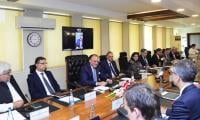
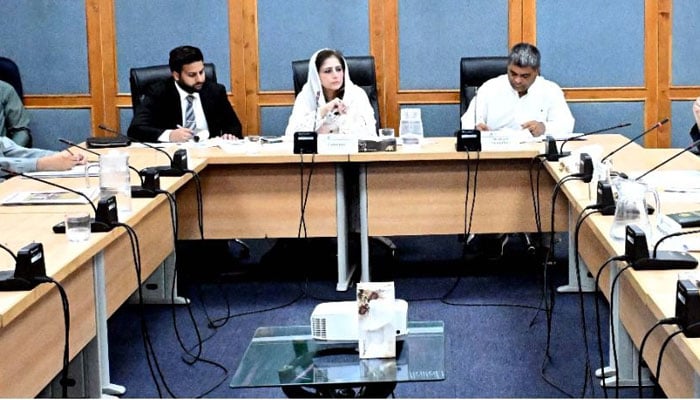
The committee also demanded a comprehensive report for the next meeting regarding the procurement of 1,000 substandard wheelchairs, noting that the main culprits have already been identified in an ongoing inquiry. The sub-committee met at the Pakistan Bait-ul-Mal headquarters, chaired by its convener Senator Rubina Qaimkhani and attended by Senators Jan Muhammad and Dost Ali Jeesar, to conduct a comprehensive administrative audit and policy review. This was the fourth meeting of the second phase. The primary objective of the meeting was rigorous scrutiny of departmental appointments, long-term promotion strategies and policy matters to ensure institutional integrity.
The chair emphasised that the ultimate goal of these oversight measures is to ensure transparency. The committee observed that the department is being run on the basis of likes and dislikes rather than merit. It warned if it is not satisfied in the next meeting, formal references will be sent to the Auditor General of Pakistan (AGP) and Federal Investigation Agency (FIA) for special audit, forensic audit and criminal investigation. A final report will be submitted to the standing committee with recommendations for further proceedings.
During the proceedings, the committee reviewed the legal framework of PBM as a body corporate established under the PBM Act, 1991, noting that the managing director and the board hold administrative and financial authority to prescribe service regulations and manage employee terms. However, the committee clarified that while the board can exercise its legal authority, it cannot exceed the limits of Rules of Business 1973 and the ESTA Code, and any action beyond this framework is illegal.