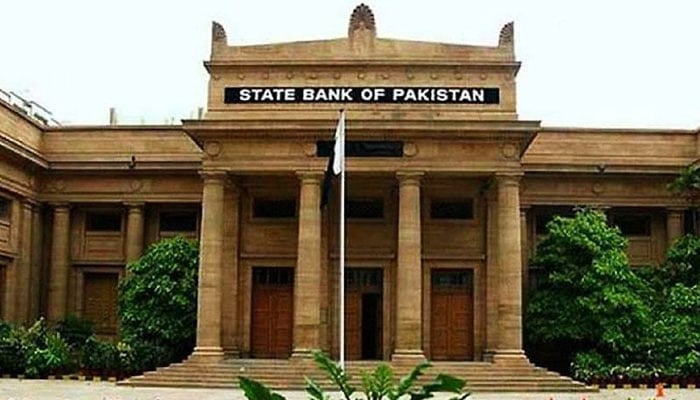
KARACHI: The State Bank of Pakistan (SBP) warned on Tuesday that the conflict in the Middle East could pose medium-term risks to the economy, as supply chain disruptions and surging energy prices may drive inflation and impact remittances and external trade.
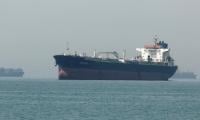
In its half-year report for the fiscal year 2026 on the state of Pakistan’s economy, the central bank stated that, in addition to rising energy prices, supply disruptions caused by the closure of the Strait of Hormuz, as well as increases in freight charges and insurance premiums, could significantly weigh on the country’s macroeconomic outlook. It added that the surge in oil prices was immediately transmitted to domestic inflation despite the government’s decision to initially absorb the major chunk of the increase. However, the SBP believes this impact on overall economic activity is not expected to be significant in FY26.
The SBP’s latest assessment on the economy comes as the Iran war enters its third month.“While the near-term outlook remains broadly stable, lingering impacts of war on supply chain resumption and global economic activity could pose significant challenges to macroeconomic stability over the medium term,” the SBP said in the report.
According to the report, the slower economic activity, amid an uncertain situation in the Gulf, may impact remittance inflows, which have been instrumental in financing trade deficit and supporting stability in the foreign exchange market. Second, supply chain disruptions, especially the import of critical raw materials and machinery, could affect industrial production as well as exports. Similarly, fertiliser shortages may impact crop yields.
“The slowdown in economic activity is likely to have implications for revenue generation,” the SBP’s report said. “On the other hand, the need for discretionary expenditure may also necessitate additional revenue measures, which may have inflationary consequences,” it added.
SBP ECONOMIC PROJECTIONS FOR FY26
The SBP noted that high-frequency indicators (large-scale manufacturing and construction) suggest that economic activity maintained the momentum through February 2026. However, the war is expected to weigh on output towards the end of FY26.
The SBP projects real GDP growth close to the lower bound of the earlier projected range of 3.75-4.75 per cent for FY26. The SBP expects workers’ remittances to be impacted in the fourth quarter of FY26, considering that remittances from the GCC countries contributed around 55 per cent of total remittances between FY21-FY25. However, on a full-year basis, remittances are expected to remain strong in FY26, which would partially offset the widening in the trade deficit.
The current account deficit is expected to be close to the lower bound of the earlier projected range of 0-1 per cent of GDP. However, inflation is likely to remain above the upper bound of the medium-term target range of 5-7 per cent in the remaining months of FY26 and in FY27.