LAHORE: Pakistan today presents a contradictory picture on women. Women are increasingly visible in banking, information technology, textiles, e-commerce, education, healthcare, media and entrepreneurship. Still Pakistan continues to rank among the lowest countries in female labour force participation and gender inclusion.
More than a decade ago, the World Bank’s landmark report World Bank Women, Business and the Law 2012 highlighted the legal and social barriers restricting women’s economic participation in Pakistan. Unfortunately, despite some visible progress in recent years, many of those structural obstacles continue to hinder Pakistani women from fully participating in business, industry, and entrepreneurship.
Women-led startups are emerging in major cities, female representation in chambers of commerce has improved, and digital platforms have enabled thousands of women to launch home-based enterprises. Yet on the other hand, workplace discrimination, unequal access to opportunities, wage disparities and cultural barriers continue to restrict women’s advancement despite a strong anti-harassment law.
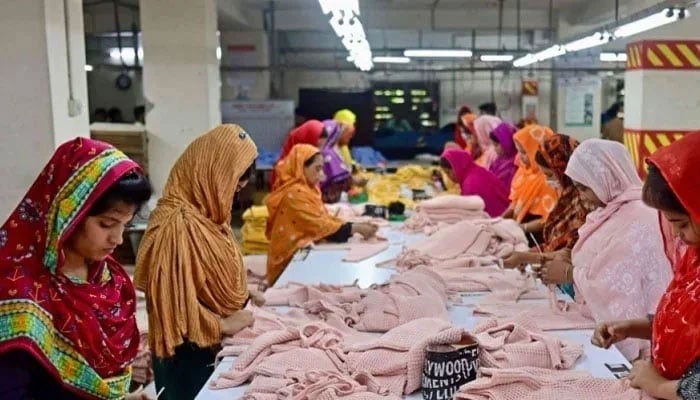
According to recent data from the World Economic Forum Global Gender Gap Report, Pakistan remains near the bottom globally in economic participation and opportunity for women. Female labour force participation in Pakistan still hovers around only one-fourth of the adult female population, far below regional competitors like Bangladesh and China, where women have become major contributors to industrial growth and exports.
Pakistani women face limited mobility and safety concerns. Many women are unable to travel independently for work due to inadequate public transport, harassment risks, and social restrictions imposed by conservative family structures. In smaller cities and rural areas, women often require permission from male family members to pursue employment or business activities.
Access to finance also remains a major hurdle. While commercial banks officially provide equal lending opportunities, women entrepreneurs still struggle to secure loans because property ownership and collateral are overwhelmingly controlled by men. A large number of women-run enterprises therefore remain trapped in the informal sector with limited capacity to scale up operations.
Digital exclusion is another emerging challenge. As business opportunities increasingly shift online, millions of Pakistani women still lack access to smartphones, internet connectivity, digital payments, and technology training. This digital gender divide is quietly becoming one of the biggest economic barriers of the modern era.
Pakistani businesswomen also complain that they continue to carry a double burden. Alongside professional responsibilities, women are still expected to shoulder almost the entire responsibility of childcare, cooking, elder care and household management, forcing many highly educated women to leave careers midway.
Women workers at informal workplaces, factories, farms and domestic work environments remain especially vulnerable. Despite these challenges, Pakistani women have demonstrated remarkable resilience. Women entrepreneurs are making inroads into sectors once considered male domains. Female executives now head banks, textile companies, technology firms, educational institutions, and export businesses. Women-led online businesses in fashion, food, handicrafts, cosmetics, and freelancing have expanded rapidly after the pandemic.
There is symbolic representation of women in Trade bodies which is insufficient. Pakistan cannot achieve sustainable economic growth while sidelining half of its population. Countries that successfully integrated women into the workforce, including Bangladesh, China and Vietnam, witnessed dramatic improvements in exports, household incomes, education and poverty reduction.
Pakistan urgently needs deeper reforms. Equal pay laws must be properly enforced. Women entrepreneurs should receive easier access to credit and business training. Safe transportation systems, workplace daycare facilities, digital literacy programs, and stronger harassment protection mechanisms are essential. Equally important is changing societal attitudes that still view women’s economic participation as secondary rather than central to national development.
The real issue is no longer whether Pakistani women are capable of succeeding in business. They already have proven their capability repeatedly. The real question is whether the country is prepared to remove the structural and social barriers that continue to waste an enormous reservoir of talent, productivity and economic potential.