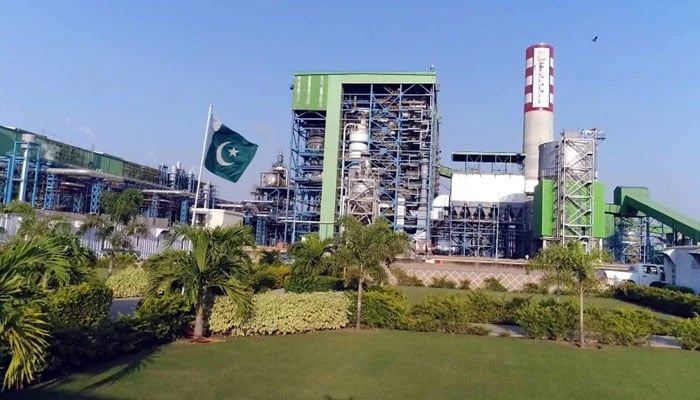
ISLAMABAD: Pakistan has redirected gas supplies away from homes and businesses to fertiliser factories to prevent a food production crisis, the minister for petroleum told lawmakers on Monday, as the ongoing US-Iran conflict continues to disrupt the country’s fuel imports.
The minister told the Senate Standing Committee on Petroleum that gas had been diverted to urea plants because Pakistan could not import enough DAP fertiliser due to war-related shipping disruptions. Without urea, crops could fail. The government is also managing tight stocks of crude oil, petrol, diesel, liquefied natural gas and LPG from multiple countries.
The committee, chaired by Senator Umer Farooq, met at the Parliament House to review the country’s fuel supply situation, gas access in producing areas, LPG prices, coal mining charges and the suspension of CNG in Khyber Pakhtunkhwa.
Senator Saifullah Abro demanded written details of fuel pricing and petroleum taxes after Petroleum Division officials revealed that a Rs117-per-litre levy was the key reason behind surging petrol prices, triggering sharp questions from lawmakers over the government’s tax burden on consumers.
Lawmakers questioned last month’s fuel price hike, saying it appeared to have handed oil marketing companies a windfall profit from cheaper, pre-hike stocks still in their storage. The minister defended the increase, saying companies needed cash flow to keep fuel available as global markets remain volatile.
The committee ordered a full audit of oil marketing companies to determine exactly how much they gained from the price increase. It also noted that a monitoring body, made up of Ogra, the FIA, intelligence agencies and others, had been set up to check fuel stocks every two weeks.
Members raised strong concerns about LPG prices, noting a wide gap between official rates and what people are actually paying at the market. The chairman directed Ogra to act against overcharging and report back to the committee.
On CNG, officials said supplies in Khyber Pakhtunkhwa remained cut off because imported gas needed to restore them was not available, a direct result of the conflict and the closure of the Strait of Hormuz.
Members also pressed officials on why gas-producing communities still lack gas connections, despite court orders and directives from the prime minister. Officials blamed lack of funds. The committee said it would push relevant agencies to act.
Gas allocation to power plants also came under scrutiny. Members questioned why RLNG-based power plants in Punjab were receiving natural gas while similar plants elsewhere, including in Sindh, were not. The chairman directed the Petroleum Division to submit its full priority framework and warned that supplies to Punjab plants could be cut if fair distribution is not ensured.