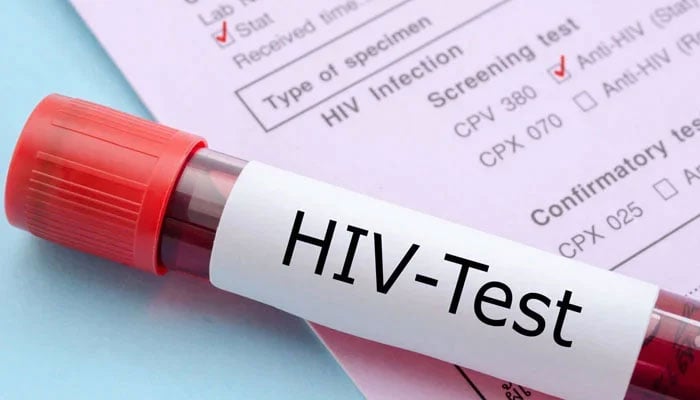
ISLAMABAD: A joint investigation by Punjab AIDS Control Programme and United Nations agencies has found that contaminated needles and syringes were linked to 169 HIV cases while blood transfusions were associated with another 89 cases in Taunsa, DG Khan, where 275 people, mostly children, had been diagnosed with HIV by early July 2025 in one of Pakistan’s worst pediatric HIV outbreaks in recent years.
Officials involved in the joint investigation told The News on Saturday that 169 of the 275 reported cases, or 61.5 percent, were linked to reused and contaminated needles and syringes while 89 cases, or 32.4 percent, were associated with blood transfusions.
Another seven cases were linked to blood products while only seven cases, or 2.5 percent, were associated with mother to child transmission, strongly indicating that the outbreak was overwhelmingly linked to unsafe medical practices rather than vertical transmission.
According to the joint mission report prepared by WHO, UNAIDS, UNICEF, UNDP, Punjab AIDS Control Programme and Punjab health authorities, the outbreak was predominantly “iatrogenic”, meaning HIV spread through healthcare procedures including unsafe injections, reused intravenous drips, contaminated surgical and dental equipment and transfusion of unscreened blood.
The epidemiological analysis showed that 147 of the 275 HIV positive cases, or 53.5 percent, were children aged between one and five years while the overall mean age of infected children was only 3.65 years. Investigators said the age pattern strongly pointed towards non sexual horizontal transmission through unsafe healthcare procedures.
The joint mission found serious deficiencies at Tehsil Headquarters Hospital Taunsa and surrounding healthcare facilities. The ART centre lacked trained pediatric HIV specialists, counsellors and essential diagnostic infrastructure while the blood bank was reportedly functioning without proper licensing and adequate blood safety mechanisms.
The investigation also documented use of non WHO approved HIV testing kits, weak contact tracing systems, poor infection prevention and control practices and inadequate compliance with international HIV testing standards.
The report also highlighted the presence of unlicensed clinics and informal healthcare providers in the region who were reportedly involved in unsafe injection practices and unregulated blood transfusions.