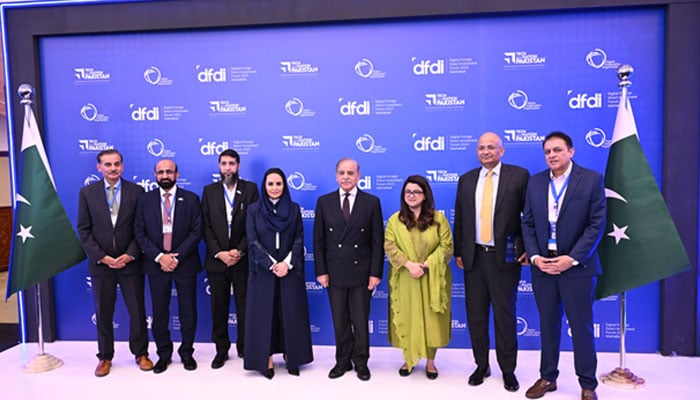
ISLAMABAD: Pakistan in 2025 became the first country to implement all four pillars of the Digital Foreign Direct Investment (DFDI) in partnership with the Digital Cooperation Organisation (DCO), when it hosted the inaugural of DFDI, mobilising $700 million in digital investment.
The DCO consists of 16 member states aimed at accelerating digital economic growth. These countries represent a market of nearly 800 million people, focusing on digital FDI, youth/women empowerment and secure data flows.
“Pakistan is taking a coordinated approach to advancing its digital economy. We are strengthening the core foundations of a digital economy. The launch of Raast, an instant payment system, is expanding financial inclusion and reducing transaction costs. We are supporting a growing start-up ecosystem through regulatory facilitation and improved access to finance, including in fintech and emerging areas such as digital assets and blockchain applications,” said Ambassador Asim Iftikhar Ahmad, Permanent Representative of Pakistan at the UN.
He was speaking on Wednesday at the STI Forum side event: ‘Digital Innovation for Sustainable Development.’ Pakistan has also emerged, he pointed out, as one of the leading global hubs for freelance and digital services, ranking among the top five worldwide.
“In parallel, we have put in place a forward-looking policy framework through the Digital Nation Pakistan Act and our National AI Policy. As part of this, Prime Minister Shehbaz Sharif has announced an investment of $1 billion in the AI sector by 2030, with a focus on scaling human capital, expanding AI education, and supporting advanced research,” he said.
While what Pakistan has achieved are practical steps, but these domestic efforts alone are not enough. “Their full potential depends on equitable access to global markets, finance and technology. If we are to make meaningful progress on the SDGs under review this year, we must ensure that digital innovation serves as an enabler of inclusion and a driver of win-win cooperation, development and shared prosperity for all.”
From Pakistan’s perspective digital transformation must remain development-driven. Innovation is not an end in itself; its value lies in whether it improves opportunity, creates jobs and supports inclusive growth.