ISLAMABAD: Pakistan has given written assurances to the International Monetary Fund (IMF) for abandoning the existing system of doling out subsidy on usage of 200 units and adopting a new targeted subsidy for power sector consumers from January 2027.
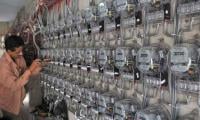
The targeted subsidy will be provided through the use of data from the Benazir Income Support Programme (BISP). This change of subsidy mechanism will be a difficult decision for the politically elected regime, as currently there are households in the country who have installed two to three meters to curtail their power consumption to less than 200 units from each electricity meter. The targeted subsidy will help curb the misuse of this subsidy.
The government will also replicate the collection of e-Abiana irrigation service charges (water tax on irrigation) from three provinces, including Sindh, Khyber-Pakhtunkhwa and Balochistan, from the next financial year after implementing it in Punjab.
Top official sources confirmed to The News that Pakistan is all set to secure the second tranche of $200 million under the Resilience Sustainability Facility (RSF), with the approval of IMF’s Executive Board, scheduled to meet on May 8 (tomorrow), in Washington, D.C.
The government is working to develop a mechanism for an electricity subsidy, which will be implemented from January 2027. “This will replace the budgeted tariff differential subsidy and cross-subsidy system with a targeted budgeted subsidy framework for low-income consumers via BISP,” said the official. The government will devise a mechanism and work closely with the World Bank to link electricity consumers to the National Socio-Economic Registry (NSER) database. This linkage will be developed, and validity checks will be in place after which the targeted subsidy will be implemented, said the official.
The government will launch an external firm by the end of the current month to put in place the payment mechanism of the subsidy. The government is working on implementing the digital e-Abiana irrigation service charge system, already in place in Punjab, and will roll it out in Sindh, KP and Balochistan by the end of August 2027.
The government is also working toward establishing irrigation water tariff adjustment mechanisms consistent with operations and maintenance cost recovery in Punjab and Sindh till February 2027, with the help of World Bank.
The sources said that Pakistan informed the IMF about the implementation of agreed reformed measures under the first review of the RSF programme. The State Bank of Pakistan issued guidelines for the management of climate-related financial risks in December 2025. The SECP issued guidelines to enable listed companies to disclose climate-related risks and opportunities in December 2025.
The sources said the government is moving toward establishment of a framework for coordinating federal and provincial disaster risk financing needs in the context of National Disaster Risk Financing Strategy by the end of August 2026, with the support of IMF.