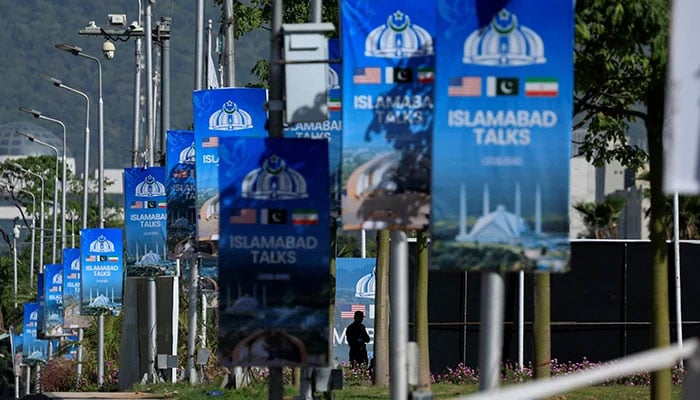
Diplomacy in overdrive. High-stakes diplomacy. Diplomacy-led ceasefires… the world has been reminded again of the power of diplomacy. In a fast-paced, real-time environment, global audiences expect immediate, if not real-time, outcomes. But for those in the diplomatic circuit, the reality is far different.
But behind the headlines, for those who work in the diplomatic circuit, the reality is different. It means shuttling from one room to the next, taking notes, passing memos, striking out one agenda item after the next, until the next round of consultations takes place, and it’s back to square one. All this while ensuring the messaging is not lost in translation, and the messages are delivered accurately to those not unwilling or reluctant to share the table.
This painstaking work unfolds behind closed doors, over cups of coffee, down to the selection of pens, to that overlooked typo and the last period that was forgotten. Diplomacy happens behind closed doors, beyond the camera lenses, where reporters don’t get to question – a craft that takes years to master.
At the forefront of this process, statesmen and diplomats are the key movers and shakers who set the tone and shape what the world witnesses in the next round of talks, and in some cases, forums and summits.
Meanwhile, far removed from these negotiations, there are those who sit in front of TV screens waiting for breaking news. And then the doomscrollers, who wait for that one shot where a handshake is locked in a frame or hugs occur on runways or where there is a regal table with all the paraphernalia in the backdrop with two leaders signing a paper – a moment that would be discussed in circles for decades or centuries.
Yet all this is achieved through skill, craft and experience. While the world wishes for sooner outcomes, there are a few silent doers who must search for that one word or phrase or point to be agreed on – for a paragraph to be approved after rounds of discourse, some heated and some in low pitches.
In these moments, for some, it would result in a sigh of relief, while for others, it would be a bottleneck. That’s exactly where a diplomat with skills and craft would step in to bring both sides to an agreement. This can take days, weeks, months or years.
And so, while the world waits for peace to be upheld, the waiting can at times feel endless, with hints of initial success fading or being lost. But diplomacy wins as long as warring parties keep their doors open and maintain the will to listen and to get back to the table, even if that takes a moment longer.
This is the reality: diplomats and their craft, learned through theories and case studies in schools, is practised in hostile spaces at times, over frantic phone calls, or in unfamiliar rooms. But that is the craft, and the craftsmen are the silent diplomats.
Ultimately, hard power is obvious; it’s seen and experienced, but soft power, which comes in the form of diplomacy, forums, exchange programmes, events and cultural festivals, takes time to be ingrained in societies. As much as hard power and the jingoism around it affect the world, effective, lasting outcomes in the form of peace are achieved through avenues of soft power: back channels and rooms that are unfamiliar but become part of history for the results they achieve.
The writer is the manager at the Centre for Excellence in Journalism at IBA Karachi. Her writing focuses on global affairs, culture and climate. She tweets/posts @mariaamkahn