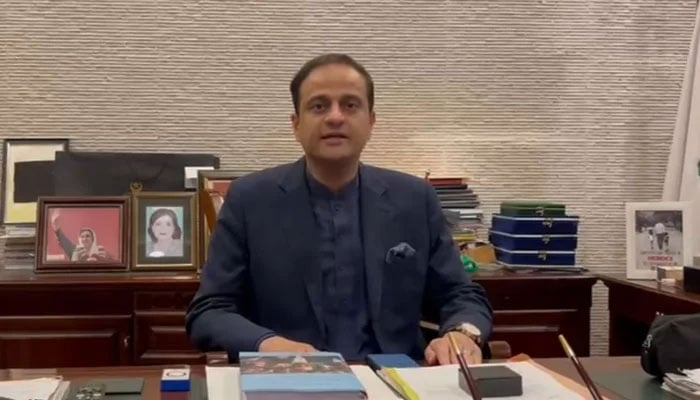
In a step towards reducing the city’s carbon footprint and creating affordable energy opportunities for citizens, Karachi Mayor Barrister Murtaza Wahab has offered land to K-Electric (KE) for the establishment of solar parks and electric vehicle charging stations across Karachi on flexible terms.
Officials said the offer was made during a meeting held at the Karachi Metropolitan Corporation (KMC) Head Office between the mayor and a high-level delegation of the KE led by its newly appointed chief executive officer, Syed Taha Hussain.
Wahab welcomed the delegation and congratulated Hussain on assuming the leadership of the power utility. He expressed the hope that under his stewardship, the KE would continue to improve services and explore innovative solutions for Karachi’s growing energy needs.
The mayor said the KE was not only serving Karachi but also supplying electricity to parts of Balochistan, making it one of the most important power supply institutions in the region. He said Karachi, being the economic backbone of Pakistan, required modern, reliable and environmentally friendly energy solutions to sustain its growth and meet future demands.
Wahab said the city administration was ready to extend full support to the power utility for projects that benefitted the people of Karachi. He added that the KMC and Karachi Water & Sewerage Corporation could provide suitable land for the development of solar parks, which would help generate low-cost electricity, reduce dependence on conventional fuels and promote clean energy.
He said Karachi also needed a widespread network of electric vehicle charging stations as global trends were shifting towards cleaner transportation systems. He noted that rising international oil prices had increased the financial burden on citizens, while renewable energy and electric mobility could provide long-term relief to residents.
He highlighted that Karachi had immense potential to become a leading green city if public institutions and private organisations worked together. He added that the KMC had already initiated practical steps by converting the KMC Head Office into a green energy-based facility and introducing an environmentally friendly fleet for municipal staff and the City Warden force.
“We have already demonstrated that change is possible. If institutions collaborate with vision and commitment, Karachi can become a model city for sustainable urban development,” he said.
Wahab emphasised that the future belonged to renewable energy, innovation, and responsible governance. He said Karachi’s transformation into a greener and smarter metropolis would not only improve the quality of life for the citizens but also attract investment and strengthen the city’s economy.