Nearly 90 per cent of the medical practice in Pakistan is being carried out in ways that fall short of ethical standards, leading physicians and health experts warned on Saturday as they called for urgent enforcement of laws and greater oversight amid growing concerns over the unsafe use of artificial intelligence (AI) in health care.
Speaking at the 16th Annual National Medical Conference in Karachi, experts said ethical medical practice in the country was under severe strain due to weak regulation, societal decline and increasing reliance on poorly understood digital tools, which together were undermining patient safety and public trust.
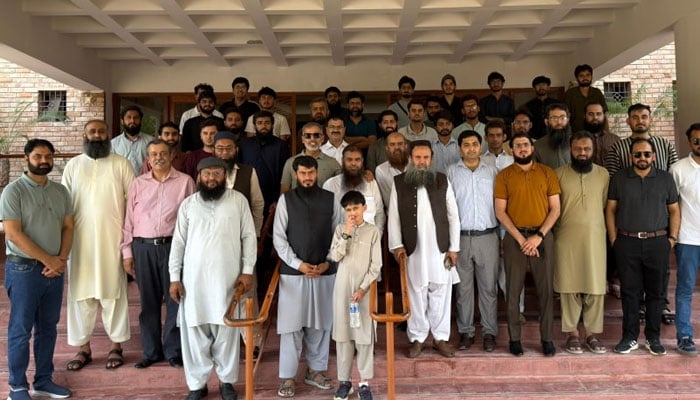
The conference, organised by the Muslim Medical Mission and the Modern Hospitals Network, brought together leading physicians, academics and policymakers to deliberate on ‘Medical Ethics in the Era of Artificial Intelligence and Social Media: An Islamic Perspective’, with discussions focusing on ethical challenges in clinical care, research and emerging digital health technologies.
Participants stressed that teaching ethics in medical colleges alone was no longer sufficient and must be reinforced through strict implementation of laws, institutional accountability and a broader societal commitment to ethical values.
Experts also raised alarm over the rapid expansion of AI in health care, warning against blind reliance on automated systems. They noted that while AI had been used in diagnostics and research for years, the recent rise of generative AI tools was increasingly producing misleading outputs, including fabricated references and inaccurate clinical information, which could directly harm patients if used without proper oversight.
Prof Shahzad Ali Khan, vice chancellor of the Health Services Academy Islamabad, said that despite technological advancements, human beings must remain central to all health care decision-making and warned the doctors to exercise extreme care while using AI in clinical settings.
He explained that machines had evolved over time from performing simple mechanical tasks to handling complex data processing and now AI-driven decision support, but they remained fundamentally ‘created systems’ that depended entirely on human input, programming and control. He said that while AI could process vast amounts of data at high speed, it lacked the ability to understand context, values and human experience in the way a physician did.
He emphasised that human beings were creative, self-evolving entities capable of critical thinking, empathy and moral judgment, qualities that machines could not replicate. He stressed that AI should be used to augment human judgment rather than replace it, warning that overreliance on automated outputs without critical evaluation could lead to serious ethical and clinical consequences.
Former caretaker health minister Dr Saad Khalid Niaz said doctors inherently understood the difference between right and wrong but required stronger moral grounding to consistently uphold ethical standards. He noted that ethical conduct was rooted in character and values rather than training alone, adding that Islamic principles provided a comprehensive framework for fairness, compassion and accountability in patient care.
He also urged the Pakistani doctors working abroad to contribute to their home country and called on society to improve working conditions for healthcare professionals.
Veteran health expert Prof Dr Tipu Sultan said the problem extended beyond the medical profession, warning that ethical medical practice became difficult in a society where corruption was widespread. He called for collective introspection and systemic reforms to restore integrity in health care.
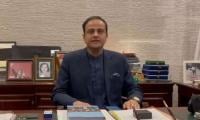
Sindh Health Secretary Tahir Hassan Sangi said the provincial government would continue supporting institutions assisting the public health system. He acknowledged the growing pressure on the state to meet increasing health care demands.
Sohail University Vice Chancellor Prof Saeed Quraishy called for making medical ethics a mandatory and structured component of curricula across all medical institutions, urging the Pakistan Medical and Dental Council to introduce a uniform framework. He also emphasised the need for training doctors in the safe and ethical use of AI.
Prof Amjad Siraj Memon, vice chancellor of Jinnah Sindh Medical University, said doctors must treat patients as they would their own family members, warning that failure to do so reduced health care to a transactional service rather than a moral responsibility. He said his institution had already begun formal teaching of medical ethics.
Dean of Health Sciences at Al-Kawthar University Dr Minhaj Qidwai criticised regulatory bodies for failing to perform their duties effectively, saying weak oversight had allowed unethical practices to persist unchecked.
Other speakers, including Dr Nasir Hamdani, underlined the need for promoting ethical values within communities, arguing that societal attitudes played a key role in shaping professional behaviour.