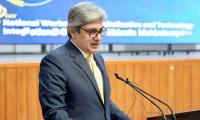
WAH CANTT: University of Wah, Quaid-i-Azam University (QAU), in collaboration with the Birmingham City University (BCU) held a hybrid workshop ‘Disrupting Pakistani Healthcare through Accountable AI: A Socially Grounded Intervention Framework,’ says a press release.
This workshop brought together academics, clinicians and technology experts to discuss the responsible use of artificial intelligence in Pakistan’s healthcare system as per social and cultural context.
A key role in shaping the discussion was played by Prof Dr Muhammad Rizwan of the University of Wah, Prof Dr Atif Azad of Birmingham City University (BCU) and Prof Dr Muhammad Zaman of Quaid-i-Azam University with co-organisation from Prof Conor Ryan, Deputy Director of Lero and Prof Dr Junaid Arshad (Dean BCU).
This programme featured two sessions. The first, “AI in Practice: Hidden Use, Real Behaviour, Structural Gaps” examined the realities of technology adoption in healthcare. Speakers included Dr Amanat Ali of HBS Medical and Dental College, Rawalpindi; Dr Fahad Umer and Dr Masood Umer of Aga Khan University, Karachi; Muhammad Mustafa of Shifa International Hospital, Islamabad and Dr Sumera Gul of Wah Medical College. Speakers emphasised that meaningful progress in medical AI required stronger local capacity, improved health data system and coordinated policy development.
The second session, “From Ethics to Engineering: Designing Accountable AI Systems” focused on the technical and ethical dimensions of building trustworthy AI systems. It featured contributions from Ayub Medical College, Abbottabad, including Dr Saima Bibi, Dr Arooma Sagheer, Dr Syed Touseef Shah and Dr Zeest Shah.
A distinctive feature of the workshop was its engagement model, under which speakers were asked to propose focused AI interventions capable of working within Pakistan’s existing healthcare constraints.