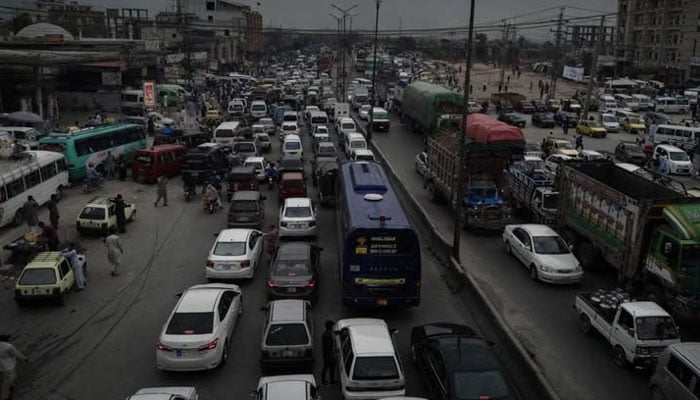
RAWALPINDI: As the city winds down after a long day of traffic-clogged roads and bustling bazaars, a quieter, more refreshing movement is gaining momentum under the glow of streetlights — night cycling.
“Over the past few months, groups of young cyclists have begun reclaiming Rawalpindi’s roads after dark, turning late-night hours into a time for fitness, social connection and urban exploration. What started as a handful of enthusiasts coordinating rides through social media has now evolved into an emerging subculture,” says Danish Ali.
“Every weekend, small clusters of riders gather at key places such as Commercial Market and Saddar, setting off in coordinated groups. Equipped with helmets, reflective gear and LED-lit bicycles, they navigate through relatively empty streets, enjoying a version of the city rarely seen during the day,” says Diyan Hussain.
“Rawalpindi feels like a different place at night — calmer, safer, almost welcoming. It’s not just about cycling; it’s about rediscovering the city,” says 24-year-old university student, Hamza Tariq, who joined the rides earlier this year.
“The trend reflects a broader shift among urban youth seeking alternatives to traditional leisure activities. With limited public recreational spaces, night cycling offers an accessible and affordable outlet. It also taps into growing awareness around health and environmental sustainability,” says Murshid Naqvi.
“However, the movement is not without challenges. Concerns about road safety, lack of dedicated cycling lanes and inconsistent street lighting remain significant barriers. Participants say motorists are generally cooperative, but the absence of formal infrastructure makes long-term growth uncertain,” says Mubeen Hussain.
“City authorities have yet to formally acknowledge the trend, though some urban planners view it as an opportunity. If supported properly, this could encourage non-motorized transport and reduce congestion,” notes Mehram Ali, an Islamabad-based urban development expert.
“Social media has played a central role in organizing rides and building community. WhatsApp groups and Instagram pages now coordinate routes, timings and safety guidelines, drawing in new participants each week — including an increasing number of women riders,” says Rehan Hasan.
“For many, the appeal lies in the simplicity. No expensive memberships, no crowded venues — just open roads and the rhythm of pedaling through a sleeping city,” says Rahman Zaidi.