ISLAMABAD: Amid warnings from economic experts about increased economic woes in the wake of prolonged Gulf War, the National Assembly’s Standing Committee on Finance on Wednesday granted its approval of the Netting of Financial Arrangement Bill 2025 and amendments to the Fiscal Responsibility and Debt Limitation Act.
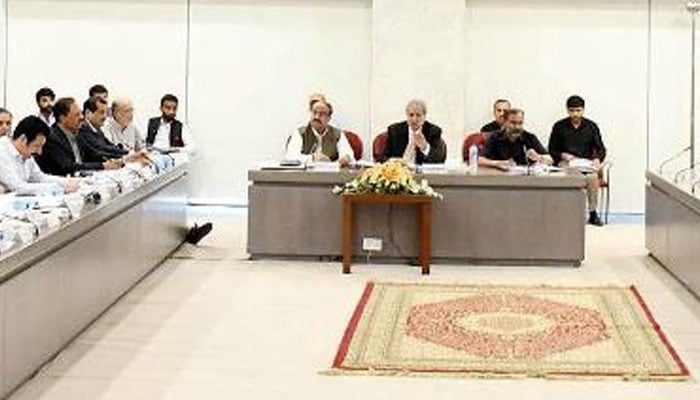
The NA panel met under the chairmanship of Syed Naveed Qamar at the Parliament House, where Finance Ministry officials informed the committee that under the existing law, the public debt-to-GDP ratio should remain within 60 per cent, but it stood at 69.9 per cent last year. They said there were expectations of some reduction in the overall debt during the current fiscal year.
Officials also highlighted reforms in domestic debt management, stating that the average maturity period of local debt, which was around two and a half years in 2022, had been extended under recent measures to improve sustainability. However, committee member Javed Hanif expressed concern over repeated breaches of the legal debt ceiling and said parliament was often not kept fully informed. In response State Minister for Finance Bilal Azhar Kayani said rising fiscal deficits had contributed to higher borrowing, but the government had taken steps to contain the deficit and had achieved a primary surplus. The chairman directed submission of quarterly reports on total public debt to parliament to ensure transparency and oversight.
The proposed netting law will allow financial institutions and corporate entities to settle mutual obligations by offsetting dues against each other under legally enforceable agreements. The State Bank officials told the committee that once agreements between two parties are formalised, the netting mechanism would apply, enabling adjustment of outstanding liabilities at the time of settlement. The move is aimed at reducing credit risk and improving efficiency in financial transactions.
Naveed Qamar noted that prolonged litigation and stay orders often delay resolution of financial disputes, while Minister of State for Finance Bilal Azhar Kayani said the new framework would facilitate dispute resolution through arbitration mechanisms.
Independent economist Ali Salman from PRIME Institute, while briefing the committee, warned that the country’s macroeconomic outlook remained fragile, particularly in the context of tensions in the Middle East. They said rising global oil prices could increase Pakistan’s import bill by up to $4 billion during the current fiscal year. He also cautioned that disruptions in energy supplies, including RLNG and furnace oil, were affecting electricity generation, contributing to load-shedding.
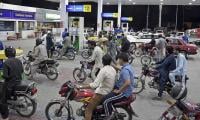
The expert noted that inflation remained a major challenge and could further strain the macroeconomic framework. He added that petroleum prices had increased by around 42 per cent in recent months, with nearly 80 per cent of fuel consumption linked to transport and logistics, driving up costs across the economy. He said freight costs were already impacting exports, of which around 60 per cent are based on the textile sector. Gas supply disruptions could also hit fertiliser production, raising concerns about lower agricultural output in the coming season.
The committee was informed that urban transport fares had risen sharply in some areas, in certain cases doubling, while increases of 40 to 50 per cent were reported elsewhere, adding to inflationary pressures on households. Economists further warned that remittances could decline by up to $300 million per month if regional instability persists, while overall economic losses could reach between $10 billion and $15 billion during the current fiscal year in the case of a prolonged crisis.
The minister said that inflows under the Roshan Digital Account had reached $12 billion so far, adding that overseas companies had also been allowed to invest through the facility to support foreign exchange inflows.