PESHAWAR: Participants at a discussion on Wednesday underlined the need to better understand conflict dynamics, resolution mechanisms, and peace processes.
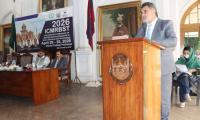
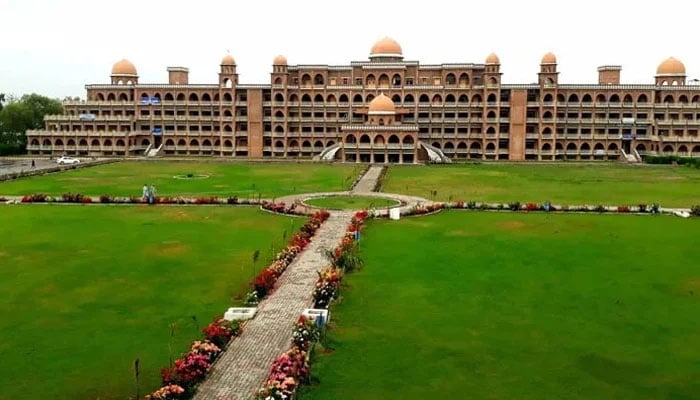
The Department of International Relations at the University of Peshawar organised a session titled “Rethinking Civilians in Conflict and International Relations.”
A scholar from the Australian National University, Fazal Wahab, was the guest speaker.
The session was attended by students and faculty members to examine the evolving role of civilians in conflict and global politics. Fazal Wahab highlighted the contrast between major international relations theories.
Liberalism, he said, stresses human dignity and views civilians as rights-bearing actors. Realism, by contrast, often treats civilians as collateral damage in the pursuit of state power.
He also introduced critical approaches that challenge both traditions and question their claims of objectivity. Focusing on the post-2010 critical turn, he argued that peace is not universal but socially constructed and shaped by cultural and political contexts.
Peace, he said, remains a contested and fluid concept across both domestic and international settings. Students actively engaged in the discussion, raising questions about oppressive local norms and whether domestic peace should take priority over international peace.
Participants contributed to the open discussion. Some stressed indigenous understandings of peace, while others supported global frameworks. For some, peace meant stability and formal agreements; for others, it reflected justice, harmony, and moral order. In his closing remarks, Department Chairman Dr Sami Raza said that perceptions of peace and conflict are shaped by social and historical experiences.