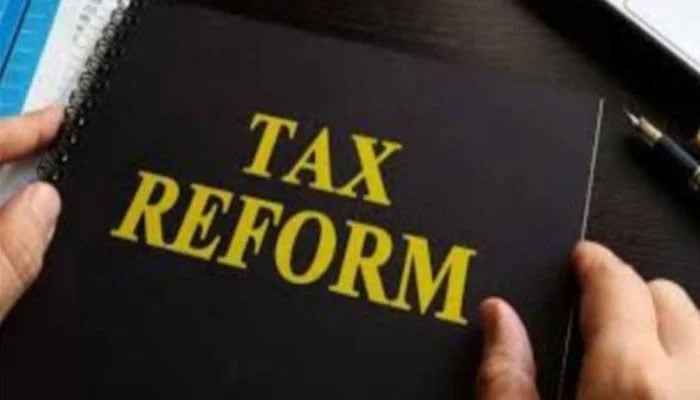
KARACHI: The Pakistan Tax Bars Association (PTBA) has called for urgent policy attention to address structural and governance gaps in Pakistan’s evolving digital tax system.
In a formal communication to the Federal Board of Revenue (FBR), the association said that while digitisation is a welcome step, its implementation must remain firmly grounded in law to ensure fairness, transparency and taxpayer confidence.
While acknowledging the government’s efforts to modernise tax administration, the PTBA said initiatives aimed at broadening the tax base, reducing human discretion and facilitating compliance are commendable. However, it cautioned that gaps in execution risk undermining these objectives if left unresolved.
A key concern relates to the alignment of the digital system with statutory provisions and SROs. The PTBA said discrepancies have emerged in the implementation of instruments such as SRO 297(1)/2023, particularly in the classification of goods and services and the handling of overlapping provisions across tax returns and invoicing modules. It stressed that system design must reflect the law, not dictate it.
The integration of HS codes into the tax return framework was described as a positive step, though the PTBA pointed to incomplete synchronisation across annexures and invoicing systems. This lack of cohesion, it said, leads to data inconsistencies that may expose compliant taxpayers to unnecessary audit scrutiny, reducing the effectiveness of data-driven enforcement.
The application of customs-based units of measurement (UOM) within the sales tax system also drew criticism. The PTBA said such parameters lack a clear basis under the Sales Tax Act, 1990, and may create practical hurdles for businesses. While standardisation is important, it added, it should not come at the cost of ease of compliance.
Among the most pressing issues highlighted is the absence of a formal mechanism for correcting digital errors. Taxpayers currently rely on informal channels to rectify mistakes in invoices and returns. The PTBA recommended introducing a structured, system-based correction process within the IRIS platform, with audit trails and defined timelines.
A key reform proposal centres on integrating a robust customer relationship management (CRM) system within IRIS. The PTBA said this would enable taxpayers to log issues, track progress and engage directly with technical teams in a transparent and accountable manner, replacing the current informal complaint-handling system.
Finally, the association highlighted the need for dedicated IT leadership within the FBR and improved coordination with Pakistan Revenue Automation Limited (PRAL). It recommended restoring an empowered Member IT position and establishing formal standard operating procedures to ensure timely resolution of system-related issues.