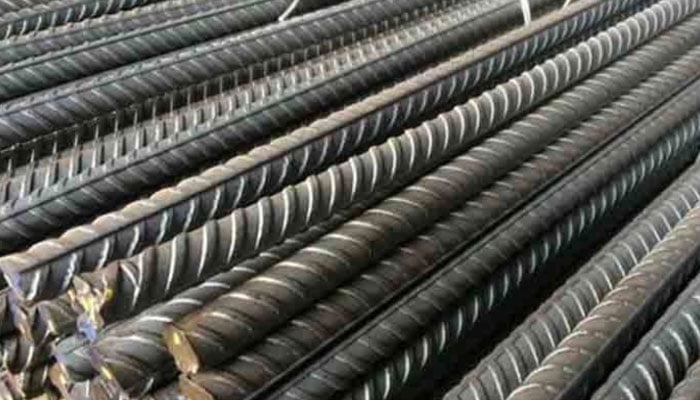
ISLAMABAD: Pakistan’s long steel industry is facing a severe downturn as demand destruction, excessive taxation and high energy costs push the sector towards crisis, according to data compiled by the Pakistan Association of Large Steel Producers (PALSP).
The industry, which generates around Rs150 billion in revenue and supports approximately 200,000 direct jobs along with millions of indirect livelihoods, is a critical driver of economic activity. Analysts highlight its powerful multiplier effect: every $1 spent on steel generates additional $2.5 in value, while activating as many as 45 downstream industries ranging from construction to manufacturing.
Despite these strengths, the sector is operating far below potential. Against a total installed capacity of nine million tonnes, current production stands at just 3.8 million tonnes, with many units shut down and the rest running at only 30 per cent to 50 per cent capacity. Pakistan’s per capita steel consumption remains low at 48 kilogrammes.
Industry stakeholders point to a sharp and sustained rise in taxation as a primary cause of the decline. Sales tax on steel has surged from Rs10,350 per tonne in FY2018-19 to between Rs37,000 and Rs40,500 per tonne in recent years. This steep increase, combined with soaring electricity tariffs and high interest rates, has significantly eroded demand. Ironically, the resulting contraction has led to an estimated 50 per cent drop in government revenue from the sector.
Lower industrial output has led to reduced electricity consumption, estimated at around 3 billion kWh annually compared to a potential 7 billion kWh at full capacity, thereby increasing the burden of capacity payments to independent power producers (IPPs).
The downturn has also hit imports. Scrap imports, a key input for steel production, have declined by nearly 50 per cent over the past four years, resulting in a corresponding drop in government revenues. Data shows imports falling from 4.72 million tons in 2021 to around 2.7–2.8 million tonnes in 2024-25. A regional comparison with Bangladesh further underscores Pakistan’s policy challenges. Despite having a similar production capacity, Bangladesh produces approximately 6.5 million tons of steel annually, compared to Pakistan’s 3.8 million tonnes.
To reverse the decline, the industry has proposed a set of measures, including rationalising taxes, eliminating super tax, reducing electricity tariffs to regionally competitive levels and shifting tax collection to the import stage of scrap to curb evasion. It has also called for long-term tariff rationalisation over eight to 10 years and incentives to promote the documented economy.