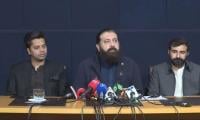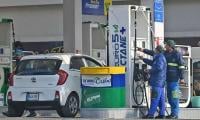
ISLAMABAD: Pakistan Tehreek-e-Insaf (PTI) has rejected outright the “brutal and inhuman” increase in petroleum prices, terming it an economic assault on inflation-ridden and poverty-stricken masses.
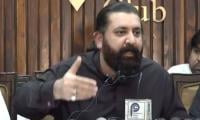
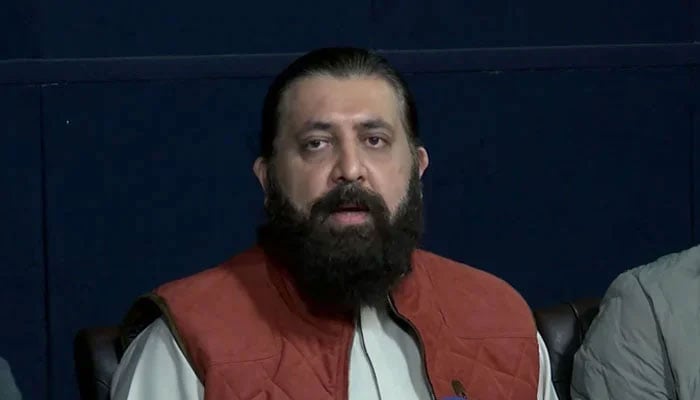
“The hike in prices of petroleum products will further compound public misery, erode livelihoods, crush purchasing power, and push millions further below the poverty line,” warned PTI Information Secretary Sheikh Waqas Akram while commenting on the latest development.
He strongly condemned the repeated increase in fuel prices by the PMLN ‘Form 47’ regime, stating that diesel has been raised by Rs27 per litre (+7.6pc) and petrol by Rs27 per litre (+7.3pc), further burdening already overtaxed citizens. “PTI demands the immediate withdrawal of the petroleum price hike and calls for urgent, effective measures to control spiraling inflation,” he urged.
Waqas lambasted the rulers for being engrossed in statistical manipulation while ground realities tell a far grimmer story, adding that economic mismanagement, blind submission to IMF dictates, and deeply flawed policies have pushed the country to the brink of disaster.
Inflation in the country, he noted, has reached historic highs, as flour, sugar, ghee, electricity, and gas prices have surged at a neck-breaking pace, making life miserable for the common citizen.
He said salaries have remained frozen and employees are underpaid, while the prices of essential commodities continue to rise almost daily, relentlessly squeezing household budgets and pushing even the struggling middle class below the poverty line.
The so-called economic measures have completely exposed Shehbaz Sharif’s governance claims, he charged, adding that the regime continues to rely on excessive petroleum development levy (PDL) and indirect taxation to bridge widening fiscal gaps in the absence of meaningful economic growth.
“Today, the poor in Pakistan are fighting merely to survive. Millions of families are unable to secure even two meals a day due to myopic and shortsighted policies of the incumbent rulers,” said Waqas.
The PTI spokesman said parents are left with no option but to sacrifice their most basic needs just to feed their children. He added that the government’s apathy appears indifferent to the cries of hungry children and the dignity of the white-collar class.
He highlighted the alarming findings of the 2026 Global Report on Food Crises, which places Pakistan among 10 countries facing acute food insecurity, with approximately 11 million people affected — 9.3 million in crisis conditions and 1.7 million in emergency conditions, levels just short of famine.
He warned that rampant inflation, rising fuel costs, and negligible economic growth are clear indicators of stagflation, leading to rising unemployment, wage erosion, and deepening poverty across the country.
“Pakistanis are currently reeling under unprecedented economic hardship, while the PMLN Form 47 regime appears completely indifferent to the suffering of ordinary citizens,” he added.
Waqas also criticized the Punjab chief minister for continuing extravagant foreign travel in a reportedly Rs11 billion Gulfstream G550 aircraft, costing nearly Rs4.8 million per hour, at a time when the people of Punjab—Pakistan’s breadbasket—are facing acute food insecurity.
He said such disconnect between the ruling elite and the masses reflects a deepening governance crisis, and demanded immediate relief measures to address rising fuel prices, inflation and food insecurity.
Waqas said PTI has made it unequivocally clear that it will not abandon the people to this situation and will continue to raise its voice at every forum for the protection of citizens’ rights, democratic freedoms and economic justice.