LAHORE: Industry stakeholders, in two separate appeals to federal authorities, have called for urgent measures to ensure the uninterrupted supply of essential food products to the northern regions of the country.
In a letter to Interior Minister Syed Mohsin Raza Naqvi dated April 24, the Pakistan Dairy Association (PDA) highlighted severe disruptions in the movement of milk and dairy products to Gilgit-Baltistan and northern Khyber Pakhtunkhwa. The association stated that frequent road closures, extended security checks and a lack of priority clearance at check-posts have delayed shipments of perishable goods.
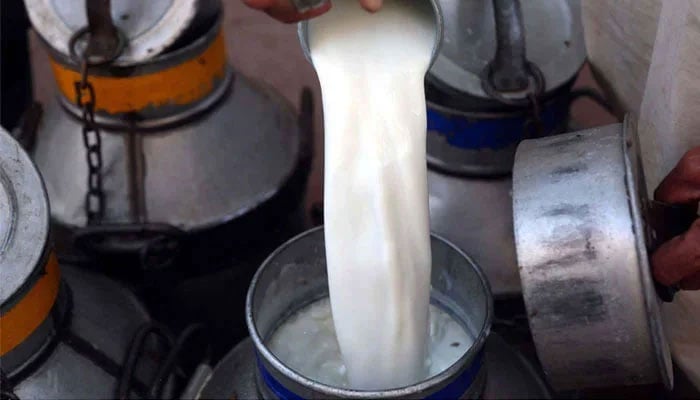
It noted that northern areas have limited local milk production and depend heavily on supplies from Punjab and Sindh for daily nutrition, especially for children and the elderly. The PDA warned that continued delays are causing product spoilage, financial losses for suppliers, and the risk of local shortages and price increases as summer demand rises.
Industry sources said refrigerated trucks are currently facing delays of 8-12 hours at major check-posts, making it difficult to maintain the cold chain. To address this, the PDA specifically requested dedicated “green channels” or fixed time slots at check-posts for food transport vehicles and offered to share delivery schedules and vehicle details with authorities for better coordination.
Separately, the Overseas Investors Chamber of Commerce and Industry (OICCI) also wrote to the Interior Minister on April 24, raising concerns on behalf of its member companies engaged in food production and distribution. The OICCI’s letter said that companies supplying packaged milk, juices and other essential food items are facing similar logistical hurdles in reaching northern markets.
The chamber emphasised that uninterrupted food supply is critical for public health and price stability, and that shortages disproportionately affect low-income households.
The OICCI pointed out that its member companies are already managing rising costs of fuel, packaging and energy, and that additional losses from transit delays and spoilage threaten the viability of serving remote districts. If unaddressed, some distributors may be forced to reduce delivery frequency, directly affecting food security in the north. The letter also noted that demand in the region typically surges during the summer tourism season and ahead of Eid, when consumption of dairy and packaged foods increases sharply.
While both organisations raised the same core issue, their requests had distinct focus areas. The PDA emphasised the vulnerability of fresh milk supply chains and the nutritional impact on northern populations. It called for immediate operational facilitation and proposed a standard operating procedure for essential food movement during road disruptions.
The OICCI, representing multinational and large-scale local food companies, focused on the broader economic impact, supply chain predictability, and the need for a streamlined verification process for registered suppliers. It offered to provide advance route plans and vehicle data to help law enforcement agencies ensure security without delaying perishable cargo.
The industry associations reaffirmed their commitment to maintaining product quality and safety standards. They also expressed readiness to work with the federal and provincial governments to develop long-term mechanisms that protect food supply routes during periods of heightened security or infrastructure strain.
Industry observers said the parallel appeals underline the urgency of the issue ahead of the peak summer season. Timely government intervention, they noted, would help stabilise northern markets, prevent panic buying, and protect vulnerable consumers who rely on transported food for daily needs.