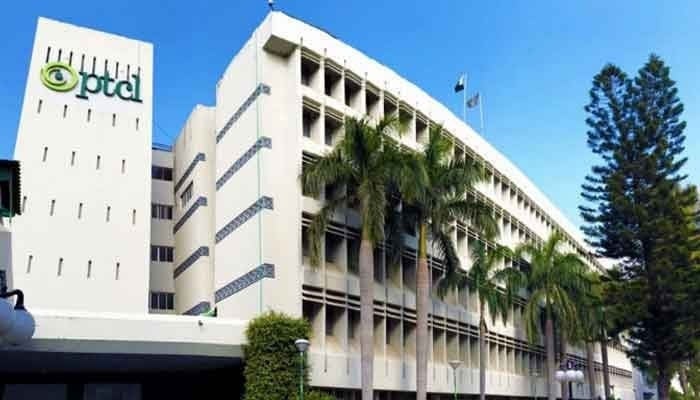
KARACHI: Pakistan Telecommunication Company Limited (PTCL) Group reported a consolidated net profit of Rs3.1 billion for the quarter ended March 31, 2026.
This, the company said, marks a turnaround from a loss of Rs4 billion in the same period last year, driven by strong operating performance and the inclusion of Telenor Pakistan.
Group revenue rose 58 per cent year-on-year (YoY), supported by growth in broadband, enterprise, wholesale and mobile services. Operating profit surged 564 per cent, reflecting consolidation gains, recovery in Ubank and improved performance at Ufone.
The integration of Telenor Pakistan followed regulatory approval from the Pakistan Telecommunication Authority for the amalgamation of Pak Telecom Mobile Limited and Telenor Pakistan. PTCL completed the acquisition on December 31, 2025, and has since begun integration planning to expand coverage and improve service quality.
In the wireline segment, revenue grew 6.5 per cent, led by strong uptake of Flash Fiber and business solutions, while net profit stood at Rs0.9 billion. The wireless segment saw revenue jump 131 per cent, with net profit reaching Rs2.7 billion compared to a loss a year earlier. Ubank also posted improved earnings, signalling recovery in the banking segment.
Operationally, PTCL strengthened its position in next-generation connectivity by securing spectrum in the 3.5 GHz and 2.6 GHz bands during Pakistan’s 5G auction. The group said the combined Ufone and Telenor footprint now serves over 72 million customers, supporting future nationwide 5G rollout.
The company also expanded its Flash Fiber portfolio, enhanced digital services, and continued growth in ICT offerings such as cloud, data centres and cybersecurity.
PTCL said it remained focused on digital transformation and social impact initiatives, including women’s empowerment programmes, public health campaigns, and access to clean water projects in underserved regions.