Last Friday, after 5pm, over my office’s conference table that had seen too many policy debates and too little agreement, my colleague and I chose sides. Let’s name her Sara for now. She leaned forward, with that calm, calculated look and stated her objective out loud. She wanted to bankrupt me through the energy sector; no hesitation. Just collapse the system through its weakest joints. I smiled, perhaps too confidently, and chose my side. I would play as the state of Pakistan. Not an easy side, certainly, but a real one. If you are reading along, sit close.
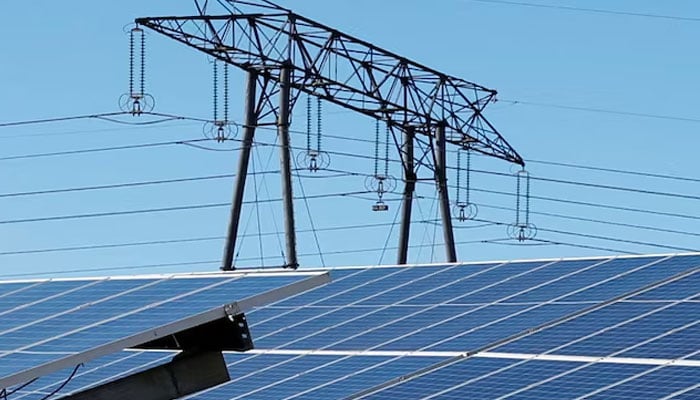
I am playing to win, so cannot opt for weak moves, indeed. I moved first. A pawn. Solar expansion. Rooftops lighting up across cities, industries quietly installing panels, households slipping out of the billing trap. I remember thinking: this is it, this is the shift. A decentralised rebellion against imported fuel. A subtle thought came to me. Mashhood, you are sacrificing revenue. DISCOs will bleed. High-paying consumers will exit. I paused. It was true. I was giving up a pawn willingly. I looked at Sara. She nodded slightly, as if to say, go on, I dare you. I pushed it anyway. Because that pawn was not just a piece. Every kilowatt from the sun was one less unit chained to furnace oil and LNG. I could feel the pressure building on her side, even if the cost was mine to bear first.
Sara responded without emotion. Global fuel markets tightened. Oil prices climbed. LNG cargoes became expensive and unpredictable. My inner voice whispered again: you have triggered volatility. You are still exposed to imports. I clenched my jaw mentally. Yes, I thought, but not forever.
I developed my position further. Installed capacity crossed peak demand. On paper, I had surplus electricity. I almost smiled. This looks like control. This looks like I am ahead. Then came the second voice again, colder this time. Surplus where? Can your grid carry it? Can your system absorb it? Before I could answer myself, Sara struck. Capacity payments to IPPs rose like a tide that does not care whether the ships sail or not. Plants stood idle, yet payments flowed. My surplus turned into my own burden. I remember thinking: this is absurd. I have more power than I need and yet I am sinking financially. Her move was elegant. She had turned my very own strength into a heavy liability.
I pushed a bishop forward. Renewable policy, wind corridors, solar parks, long-term targets. I told myself: this is vision. This is how systems change. But the moment I placed it, I could feel resistance. Circular debt. The words echoed like a recurring nightmare. Losses, inefficiencies, delayed recoveries. I thought, how do you fight something that feeds on your own structure? Sara did not need to attack directly. She let the system suffocate under its own weight. My bishop stood there, active yet constrained.
I tried to secure my position. Castling could be a good option. Transmission upgrades, grid expansion, the quiet engineering that rarely makes headlines. I told myself: protect the king, build the fort. Then doubt crept in again. Are you building fast enough? Are your wires ready for the energy you claim to generate? Before I could reassure myself, she moved. Transmission inefficiencies, line losses, bottlenecks. Renewable energy could not travel where it was needed. My fort was incomplete.
I reached for something stronger. Subsidies. A necessary move, I told myself. People cannot bear sudden shocks. Stability matters. For a moment, the board calmed. Bills stayed manageable. Public anger softened. I allowed myself a breath. Then I saw it. Sara’s bishop cutting across the board. The IMF’s RSF tightening like a noose. Fiscal discipline, tariff rationalisation and subsidy reduction. If I hold the queen here, I lose the game later. If I pull back, I lose ground now. I hesitated. My mind raced. This is the trap. This is where states falter. I withdrew, slowly, reluctantly. The treasury could not sustain this illusion.
I pushed forward again, almost stubbornly. Hydropower. Dams, reservoirs, the promise of indigenous stability. I told myself: water is ours; this is ours. This is how we anchor ourselves. Sara did not even need to respond directly. Floods, erratic flows, glacial shifts. The board itself started changing. My pawn held its ground, but the terrain beneath it was no longer reliable.
At that moment, my eyes drifted to a corner of the board. An ignored pawn. Geothermal potential. The SCO could leverage me stronger in the face of the Western market. I almost laughed internally. Why am I even thinking about this now? Then another thought emerged, sharper than before. Because no one else is. Because it is steady. Because it does not depend on imports or weather in the same way. I touched it, just slightly. A quiet move. Sara did not react. She was focused elsewhere. I leaned back mentally and thought: remember this piece; it might matter later.
And then she made her move. Her knight jumps to fork my rook and the king together. Sudden, indirect, devastating. A regional escalation between Iran and US/Israel. Oil prices surged. The import bill expanded instantly. The rupee weakened under pressure. Fuel adjustments climbed like a relentless staircase. I felt it immediately.
Check.
I froze for a second. My king is exposed. The fort is weak. My people will feel this. I looked at the board, then at Sara. She did not look triumphant. She looked certain which was worse.
My thoughts raced. Protect the king. Protect the people. But how? The fort, built on subsidies, cannot hold against this pressure. If I defend it, I risk everything collapsing later. If I abandon it, I take the hit now. I remember thinking: this is governance. This is the choice no one wants to make. I let the castle fall. Tariffs rose. Prices increased. It felt like a loss, even though it was necessary. The king remained standing, but the cost was visible.
Now the board has entered a different phase. Quieter on the surface, more dangerous underneath. I look at my pieces and I start calculating again, but this time with less illusion and more clarity.
I can activate my remaining rook. Grid digitisation, smart systems, storage solutions. I think: this is how you make the system flexible. This is how you allow solar and wind to flow without choking the network. Without this, every renewable unit becomes a logistical problem instead of a solution.
I can reposition my knights. IPP contracts. I know this will be difficult. These are not just technical agreements. These are financial and political structures. But I think, if I do not change how capacity payments work, I will keep paying for power I do not use. That is a major leak.
I can push my pawns forward again. Distributed energy. Net metering reforms that are calibrated, not reactionary. Industrial solarisation that reduces pressure on the grid. I think: this is how you build resilience from the edges, sometimes not just the centre.
I can realign my bishops. Targeted subsidies instead of blanket ones. I know this will be unpopular. I know it will require precision. But I also know the alternative is unsustainable. The system cannot keep absorbing losses indefinitely.
And then there is that small pawn. Geothermal. Still quiet, still underestimated. I look at it and think: this is patience. This is long-term thinking. This is a piece that endures silently. If developed correctly, it can anchor the system in ways that volatile imports never will.
Sara is still there, watching, calculating. She has more moves. Global shocks, debt pressures, climate risks. She will not stop. That is the nature of her side.
I sit with the board in front of me. Every piece carrying weight beyond its square. Every move tied to real consequences. I can feel the tension, but also the possibility. What piece should I move next?
The writer is the manager of R&D at Carbo-X.