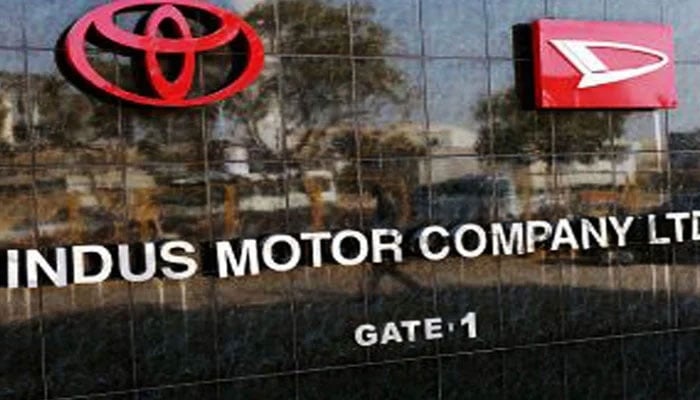
KARACHI: Indus Motor Company has called on the government to establish a stable, long-term automotive policy framework spanning 2026 to 2031, warning that chronic policy inconsistency, low capacity utilisation and a surge in used car imports are preventing Pakistan’s automotive sector from realising its growth potential.
The appeal was made by Ali Asghar Jamali, chief executive officer of Indus Motor Company, during a media engagement on Wednesday where he presented a comparative regional analysis and outlined Toyota’s investment commitments in Pakistan.
Jamali noted that while India’s automotive market expanded by 60 per cent over the past decade, and the Philippines and Vietnam recorded growth of 71 per cent and 180 per cent respectively, Pakistan’s market grew by only 15 per cent over the same period, reflecting the cumulative cost of regulatory instability and unchecked used vehicle imports.
Pakistan’s automotive sector contributes about 2.8 per cent to GDP and employs roughly 1.8 million people. The country is among 16 globally that can produce a full range of vehicles and hosts seven of the world’s top ten automotive brands. However, capacity utilisation has fallen to around 30 per cent of 600,000 units annually, down from 84 per cent in 2017-18.
Jamali welcomed the government’s decision to abolish the baggage scheme for used car imports. The company said local assembly accounts for 2.08 per cent of total imports, while completely built-up vehicle imports rose from 0.03 per cent in 2023 to 0.78 per cent in 2026, according to State Bank data.
The company’s Karachi manufacturing facility holds Toyota Motor Corporate Japan’s ‘Zero Defect Facility’ designation among Asian plants, and operates the country’s largest sheet metal parts plant alongside a 6.6-megawatt roof-mounted solar power system.