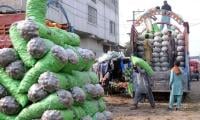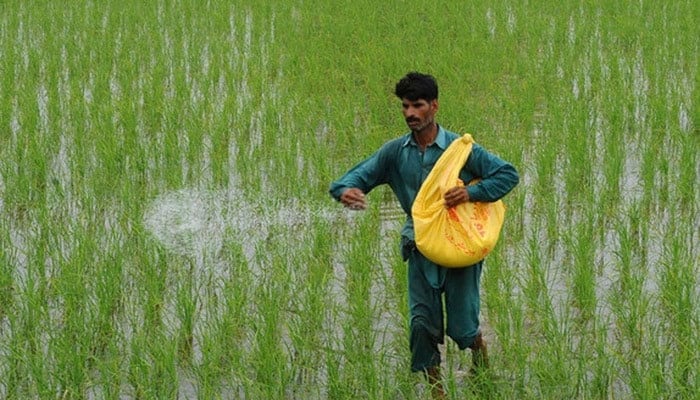
ISLAMABAD: The government moved to lock in fertiliser supplies for upcoming crop cycles, maintaining stable urea availability during the Rabi season while warning of risks from gas shortages and smuggling could threaten agricultural output and food security.
In Pakistan, the Kharif cropping season, which spans from April 1 to September 30, features crops like sugarcane, cotton, maize, and rice. Conversely, the Rabi season, from October 1 to March 31, sees the cultivation of wheat, gram, lentil, potatoes, onions, and tomatoes
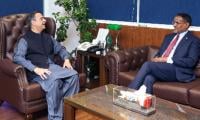
At a high-level Fertiliser Review Committee meeting on Thursday, Minister for National Food Security and Research Rana Tanveer Hussain reviewed supply-demand dynamics for urea and other key inputs, alongside projections for Kharif 2026 and Rabi 2026-27.
Officials said the Rabi urea situation remained stable, with opening stocks of about 1.15 million tonnes and domestic production of 3.232 million tonnes, bringing total availability to 4.38 million tonnes. Offtake stood at 3.563 million tonnes, reflecting steady demand and no panic buying.
Closing stocks are estimated at 800,000 tonnes for Kharif, with a 500,000-tonne buffer maintained, though concerns persist over adequacy during peak winter (December-January) demand.
For Kharif 2026, demand is expected to rise, but authorities warned of smuggling risks along the western border due to a steep price gap, Rs4,500 locally versus about Rs14,000 internationally, and called for strict monitoring.
Scenario planning for Rabi 2026–27 highlighted the importance of timely plant operations. Delays during Kharif could strain buffer stocks in peak months, while full operations from July 1, 2026, could significantly improve supply. Officials noted that the Port Qasim plant alone could add 200,000 to 250,000 tonnes over six months.
Farmer affordability remained a key concern, with rising input costs potentially limiting fertilizer use, especially DAP, and affecting yields. No DAP imports are planned for Kharif 2026 due to global uncertainties, though shipping support is being arranged to manage logistics.