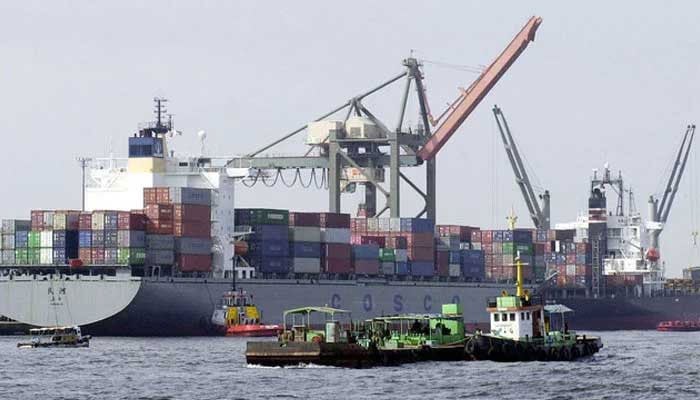
KARACHI: Pakistan on Thursday approved bulk and vehicle cargo handling under transshipment arrangements for the first time, in a move the maritime ministry described as a step toward positioning the country as a regional logistics hub amid shifting Middle East shipping routes, reports ‘Arab News’.
The decision comes as the conflict involving the United States, Israel and Iran has disrupted traditional trade flows through the Gulf, particularly around the Strait of Hormuz, prompting shipping lines to explore alternative ports.
The approvals follow recommendations of a high-level committee constituted by Prime Minister Shehbaz Sharif and led by Maritime Affairs Minister Muhammad Junaid Anwar Chaudhry, according to an official statement.
“These strategic decisions mark a significant step toward positioning Pakistan as a competitive and resilient transshipment hub in the region,” the statement said.Under the new framework, Pakistan will allow the handling of bulk and break-bulk cargo, including commodities such as grains, coal and minerals, under transshipment arrangements, a move expected to increase port throughput and attract new shipping lines.
Authorities have also approved specialised Roll-on/Roll-off (Ro-Ro) operations for vehicle transshipment, enabling the movement of cars, SUVs and other wheeled cargo through Pakistani ports.
In addition, the government has cleared the handling of less-than-container-load (LCL) cargo, allowing consolidation and redistribution of smaller consignments and expanding Pakistan’s appeal to global freight forwarders.
“These approvals come at a critical time when regional trade routes are undergoing transformation due to geopolitical and security challenges,” the statement said. The ministry said the measures could help increase port revenues, generate foreign exchange earnings and create jobs in logistics and related sectors, while strengthening Pakistan’s integration into global supply chains.
The government also aims to leverage the new framework to facilitate transit trade for landlocked Central Asian countries and reduce reliance on competing regional hubs.The maritime affairs minister said the government remained committed to modernising port infrastructure and improving the regulatory environment to support investment in the sector.