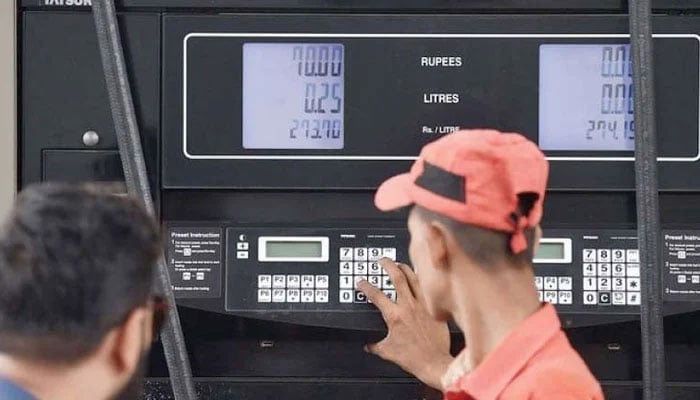
LAHORE: The Oil Marketing Association of Pakistan (OMAP) has warned of an impending fuel crisis, urging Prime Minister Shehbaz Sharif to intervene, saying the current pricing mechanism is pushing oil marketing companies (OMCs) towards collapse.
In his letter dated March 30, 2026, OMAP Chairperson Tariq Wazir Ali revealed that current price differentials require OMCs to finance approximately Rs203.88 per litre on high-speed diesel (HSD) and Rs95.59 per litre on petrol (Mogas). He warned that this model is becoming unsustainable, particularly for small and mid-sized companies, and could lead to supply disruptions, market imbalances and even operational shutdowns.
The chairperson also appreciated the government’s price differential claim (PDC) mechanism, calling it a timely and people-centric initiative that has provided relief to consumers amid rising global fuel prices. He said the policy reflects strong leadership by the government during a period of international economic uncertainty.
However, he termed the situation an “urgent SOS appeal”, highlighting that the current structure of the PDC mechanism has placed a severe financial burden on OMCs. He explained that companies are being forced to purchase fuel at high international prices while selling it domestically at lower regulated rates, requiring them to finance the price difference upfront.
According to the letter, this has led to a massive working capital burden, including the requirement to maintain a mandatory 20-day stock cover, along with acute liquidity shortages due to delays in reimbursement. The situation is further aggravated by rising financial costs, which are eroding already thin profit margins.
Ali urged immediate intervention from the prime minister to prevent a looming crisis. He proposed several measures, including timely PDC reimbursements with at least 70 per cent released upfront, alignment of claims with the procurement stage, emergency liquidity support, facilitation of refinery credit and simplification of the claims process.