KARACHI: Consumer price inflation is expected to rise to double digits in April due to surging energy prices against the backdrop of the US-Israel war on Iran, according to a brokerage report on Monday.
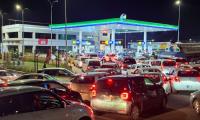
The 25 per cent month-on-month (MoM) spike in fuel prices in March, along with increased transportation costs, is predicted to account for 65 per cent of the headline MoM increase, said Optimus Capital Management in a report. Electricity prices should also increase meaningfully, while food is expected to stay flat amid a supply glut from closed borders. The brokerage firm expects the National Consumer Price Index (NCPI) to reach 7.4 per cent year-on-year (YoY), with the energy index crossing into double digits at 16.6 per cent YoY after 17 months.
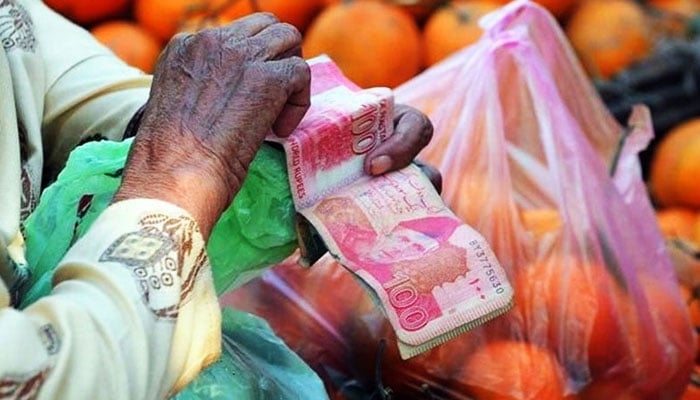
This forecast comes ahead of the release of the inflation print for March this week. Inflation rose to 7.0 per cent in February, increasing from 5.8 percent in January.
According to the report, international crude has jumped sharply, with Arab Light up 71 per cent over the February average, while gasoil and gasoline are up 150 per cent and 90 per cent, respectively. The transport index is expected to rise to 13.6 per cent MoM and 14.3 per cent YoY in March.
“NCPI is set to enter double digits from April, driven by base effect, spike in oil prices, lagged fuel cost spillovers to other sectors, and potential negative economic impact as the geopolitical situation prolongs,” the report said. “Continued government fuel subsidies may pressure fiscal and current accounts amid already tight fiscal space and high debt, and accordingly, yields are already up 100-200bps across tenors.”
In a statement issued last week after reaching a staff-level agreement with Pakistan on the country’s loan programme, which is a crucial step toward unlocking $1.2 billion in funding, the International Monetary Fund noted that inflation and the current account balance remained contained and external buffers continued to strengthen. The conflict in the Middle East, however, casts a cloud over the outlook as volatile energy prices and tighter global financial conditions risk putting upward pressure on inflation and weigh on growth and the current account.