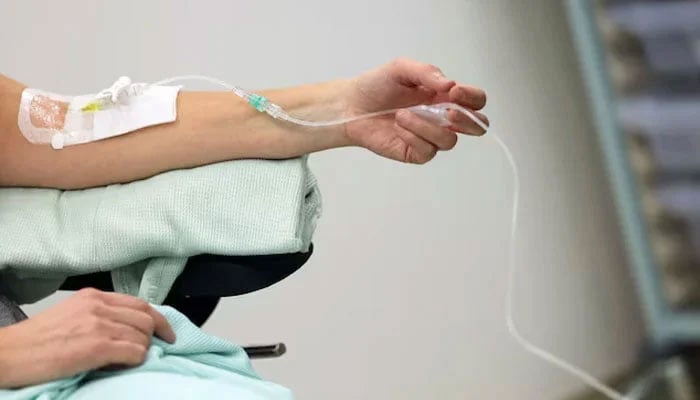
KARACHI: An estimated 15 to 20 per cent of cancer patients in Pakistan abandon treatment midway, while a significant proportion never initiate therapy after diagnosis, as high costs, long travel distances, weak public sector capacity, and lack of awareness continue to undermine cancer care in the country, according to oncologists and published research.
Pakistan records around 185,000 new cancer cases every year, with more than 100,000 deaths. However, experts say a large number of patients are lost between diagnosis and completion of treatment, making abandonment a major but underreported contributor to cancer mortality.
Oncologists say financial toxicity is the single biggest factor behind this trend. Karachi-based oncologist Dr Najib Naimatullah said nearly 90 per cent of cancer patients in Pakistan pay for treatment out of pocket, while only around 10 per cent have access to insurance, panel coverage, or corporate support. He said the cost of modern cancer therapies is so high that families often sell homes, gold, and other assets to continue treatment. “Cancer treatment is not only expensive but also prolonged, exhausting, and time-consuming, which makes it difficult for many families to sustain it,” he said.
Experts say access to treatment centres is another major barrier. Most oncology facilities are located in large cities, forcing patients from rural and remote areas to travel repeatedly for chemotherapy, radiotherapy, and follow-up care. These long distances, combined with transport and accommodation costs, lead many patients to miss treatment cycles and eventually drop out.
Indirect costs further compound the burden. Frequent hospital visits, loss of income, and the need for attendants make cancer care financially and physically unsustainable for many families, particularly those already living near the poverty line.
Dr Naimatullah said lack of awareness also contributes significantly to treatment abandonment. He noted that some patients avoid biopsy or chemotherapy due to fear, misconceptions, or social pressures, and return only when the disease has progressed to an advanced, metastatic, and often incurable stage. He added that oncologists and caregivers must guide patients about available treatment options, including free or subsidised care at centres such as Shaukat Khanum Memorial Cancer Hospital, SIUT, and some public hospitals. However, he pointed out that these facilities have limited capacity and often prioritise patients with curable disease, while those requiring prolonged palliative care receive less support.
Health system limitations are also a key factor. Experts say Pakistan lacks an adequate number of dedicated public sector cancer treatment centres, particularly in provinces like Sindh and Punjab, placing an overwhelming burden on a few major hospitals and limiting access for a large segment of the population.
Occasional drug unavailability, delays in treatment, overcrowding, and long waiting times in public hospitals further discourage patients from continuing therapy, although experts say these factors are secondary to financial and access-related barriers.
Studies show that the consequences of treatment abandonment are severe, with a majority of patients either returning only for palliative care or dying after discontinuing treatment, while only a small proportion are able to resume curative therapy.
Oncologists warn that treatment abandonment reflects systemic weaknesses rather than patient choice, and stress that improving cancer survival in Pakistan will require financial protection mechanisms, expansion of public sector oncology services, decentralised care, and better patient counselling.
They say that unless these gaps are addressed, a significant number of cancer patients will continue to be diagnosed but never complete treatment, limiting the impact of medical advances and keeping survival rates low in the country.