Islamabad : Pakistan Institute of Development Economics (PIDE), in a Policy View Point authored by Dr Syed Hasanat Shah and Wajid Islam from PIDE, warned that the ongoing Middle East crisis has evolved into a global economic shock, posing serious risks to Pakistan’s trade, energy security and external sector stability.
The study estimates that Pakistan’s direct exports to GCC countries could fall by $1.5 billion to $2 billion if disruption in the Strait of Hormuz persists, while imports from the region, particularly energy, could decline sharply disrupting domestic production and export activity.
At the same time, rising international oil prices could add $4.5 billion to Pakistan’s import bill, further widening the current account deficit and increasing pressure on foreign reserves.
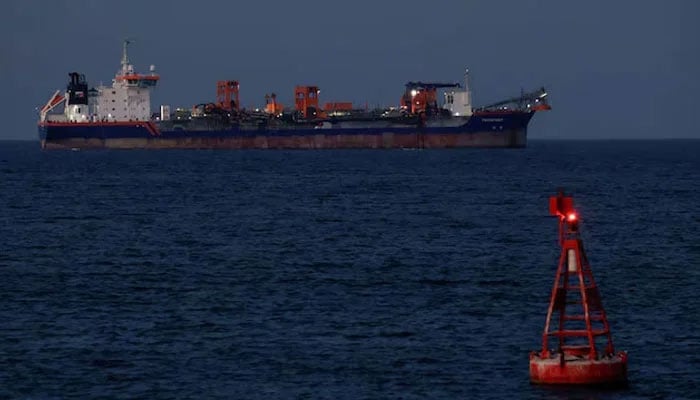
PIDE’s analysis underscores that Pakistan’s vulnerability is structural. The report notes that 81.6 percent of Pakistan’s energy imports transit through the Strait of Hormuz, exposing the economy to severe supply shocks.
It further highlights that if global oil prices rise from $80 to $160 per barrel, Pakistan’s trade deficit could expand from $24 billion to $41.8 billion, while inflation may surge from 7.1 percent to 11.1 percent.
Beyond trade volumes, the study warns of broader spillover effects. Rising freight costs, war risk premiums and disrupted shipping routes could significantly weaken Pakistan’s export competitiveness, particularly in the textile sector, which accounts for nearly 60 percent of total exports.
Moreover, any slowdown in remittances from GCC economies would further strain Pakistan’s balance of payments, given the country’s reliance on external inflows.
The report emphasises that the crisis exposed deep-rooted weaknesses in Pakistan’s economic structure, including overdependence on imported energy, limited export diversification and fragile supply chains.
It calls for a shift away from reactive policymaking toward proactive, resilience-driven strategies.
To mitigate these risks, Pakistan should reroute oil imports to Yanbu Port via the Red Sea to bypass the Strait of Hormuz.