Pakistan is again scanning the global financial horizon for ways to finance its economy without deepening its dependence on traditional lenders. In that search, an unfamiliar but increasingly discussed instrument has entered the policy conversation: Panda Bonds.
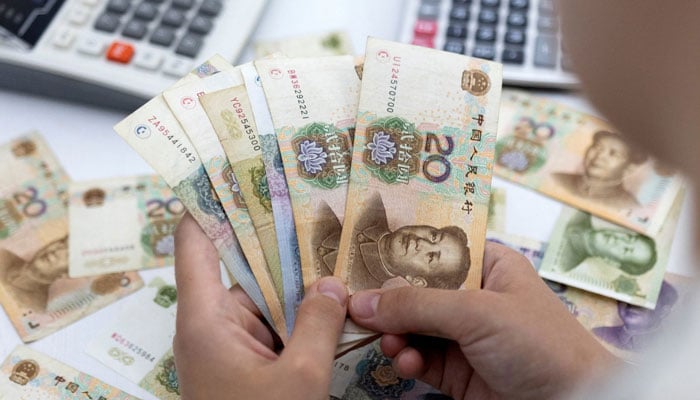
In global sovereign debt markets, governments typically raise funds through bonds denominated in major reserve currencies such as the US dollar, euro or yen. Panda Bonds occupy a distinct niche within this ecosystem. They are yuan-denominated bonds issued by foreign governments or institutions in China’s domestic capital market. The name mirrors the ‘Samurai Bonds’ issued in Japan or ‘Dim Sum Bonds’ sold offshore in Hong Kong, but Panda Bonds are unique because they tap directly into China’s vast onshore investor base while aligning with Beijing’s broader ambition to internationalise the renminbi.
Finance Minister Senator Muhammad Aurangzeb has described the initiative as a strategic step to diversify Pakistan’s funding base and enter China’s capital market. Speaking at global forums and to foreign media, Aurangzeb said he has been “very vocal” about issuing Pakistan’s first Panda Bond and that the country was “optimistic” about completing the process within the relevant calendar year, with initial tranches of around $200–$300 million targeted from Chinese investors.
Diversification of funding sources is desirable only if it does not amplify macroeconomic vulnerabilities. Yuan-denominated debt brings new currency risk: while reducing exposure to the US dollar, it introduces exposure to the Chinese renminbi, a currency Pakistan does not use in trade invoicing and for which it has limited hedging experience. This mismatch could create balance-sheet volatility if the rupee weakens against the yuan, a risk that is not academic in an economy that has long struggled with exchange-rate instability.
For Pakistan, which has historically relied on dollar-denominated Eurobonds, multilateral financing and bilateral loans, the idea carries both promise and uncertainty. Officials within the Ministry of Finance have shown measured interest in the instrument. On the one hand, Panda Bonds represent a chance to diversify Pakistan’s funding sources at a time when access to global capital markets has become more expensive and volatile. On the other, policymakers are acutely aware that enthusiasm alone cannot overcome the structural risks that come with issuing debt in a relatively unfamiliar financial market.
The appeal is easy to understand. A successful Panda Bond issuance could reduce Pakistan’s reliance on dollar-denominated borrowing, which has long exposed the country to exchange-rate pressures whenever the rupee depreciates against the dollar. Yuan financing, at least in theory, spreads that risk across currencies and offers some insulation from fluctuations in Western capital markets. It also aligns with Pakistan’s deepening economic relationship with China.
Beyond the immediate funding benefits, Panda Bonds could serve a broader strategic purpose. By entering China’s domestic bond market, Pakistan would gain access to a new pool of institutional investors, including Chinese banks, asset managers and pension funds that rarely participate in Pakistan’s traditional bond issuances. Such diversification matters for a country that has repeatedly faced sharp swings in investor sentiment. Moreover, issuing Panda Bonds could signal confidence in Pakistan’s economic diplomacy and strengthen financial cooperation with Beijing beyond infrastructure lending.
Yet the instrument is far from a silver bullet. Currency risk remains the most immediate concern. While yuan borrowing reduces dependence on the dollar, it introduces exposure to a currency Pakistan does not yet widely use in its external transactions. If the yuan appreciates significantly against the rupee, repayment costs could rise unexpectedly. In an economy already managing fragile foreign exchange reserves, that risk cannot be dismissed lightly.
Regulatory complexity adds another layer of uncertainty. China’s domestic bond market operates under a regulatory framework that differs significantly from Western markets, where Pakistan has previously issued debt. Approval processes, disclosure standards, and settlement mechanisms require careful coordination with Chinese authorities. For a sovereign already navigating tight timelines and complex negotiations with international lenders, these hurdles may slow progress.
While China’s bond market is the second largest in the world, foreign sovereign issuances remain relatively rare. A handful of emerging economies have tested the waters, but their track record remains limited. Chinese investors may demand strong assurances about Pakistan’s macroeconomic stability, fiscal transparency, and debt sustainability before committing capital.
Panda Bonds can only succeed if they are embedded within a broader framework of disciplined debt management. Pakistan’s external debt profile is already under scrutiny from international financial institutions and credit rating agencies. Entering a new market without clear communication on borrowing plans, repayment capacity and fiscal reforms could undermine the very confidence the instrument is meant to signal.
Still, the concept should not be dismissed. In a world where geopolitical and financial alliances increasingly intersect, financial instruments often carry diplomatic significance alongside economic utility. Panda Bonds could become part of Pakistan’s evolving toolkit for economic engagement with China.
If managed carefully, Panda Bonds could offer modest but valuable diversification, expand investor outreach and reinforce bilateral financial ties. But without stronger macroeconomic stability and transparent debt governance, they risk being little more than a gesture of goodwill in the broader architecture of Sino-Pak economic cooperation.
Panda Bonds are an option: neither a panacea nor a mere curiosity. Whether that option becomes a strategic asset for Pakistan’s debt sustainability will depend less on Beijing’s markets and more on Islamabad’s ability to strengthen the fundamentals at home.
The writer is the manager of R&D at Carbo-X.