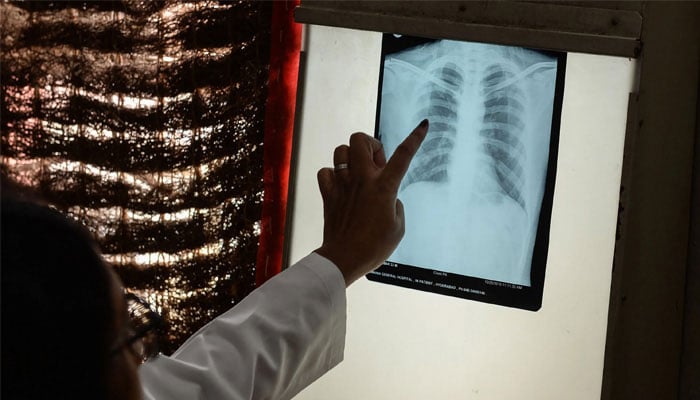
Every year on March 24, the world observes World TB Day to raise awareness about tuberculosis (TB), one of the oldest and nearly fatal infectious diseases. According to the WHO, 10.7 million people fell ill with TB in 2024, and 1.23 million deaths were reported that year. There was a time when TB diagnosis itself was a death sentence, but now, with medical advancements, the disease has largely become curable. Since 2000, at least 83 million lives have been saved. However, for people in South Asia, the challenge is quite big. In countries where systemic challenges, poverty and health inequities persist, TB continues to pose a bigger threat. Pakistan is consistently ranked among the top five high TB burden countries, accounting for approximately 6.3 per cent of global TB cases in 2024. It recorded 100-299 incident cases per 100,000 in 2024. It lies among countries where TB is endemic. The disease disproportionately affects marginalised populations, those living in overcrowded urban settlements, rural communities with limited healthcare access and individuals suffering from malnutrition. The situation is further complicated by the rise of drug-resistant TB. While the government, in collaboration with international partners, has made progress through initiatives like free diagnostic services and treatment programmes, gaps in implementation and awareness remain stark. Most people also don’t exercise caution and end up spreading the virus.
Across South Asia, including India and Bangladesh, the story is similar. Rapid population growth, urban congestion and underfunded public health systems create fertile ground for TB transmission. Cross-border migration and weak surveillance systems further complicate regional containment efforts. Although countries have pledged to meet global targets under the WHO’s End TB Strategy, progress has been uneven and, in some areas, alarmingly slow. The widespread disease also has its roots in social stigma. TB patients often face discrimination, leading to delayed diagnosis and incomplete treatment. In Pakistan, cultural barriers and misinformation can discourage individuals from seeking timely care. Women, in particular, may suffer in silence due to gender-based inequalities that restrict their access to healthcare services.
The WHO stresses that ending the stubborn disease needs strong political commitment and steady funding. Countries must protect TB services from disruptions and ensure new diagnostic tools reach people quickly, especially in underserved areas. TB care should be available at the primary healthcare level and services must be affordable, stigma-free and close to communities. Since TB is linked to poverty and inequality, efforts to end it must go beyond the health sector and involve wider social action. Engaging communities and affected individuals is key to making these efforts effective. International health organisations should also outline a plan to determine how new vaccines, shorter treatment regimens and digital health technologies that offer the promise of more effective control can be adopted by low-income countries. Regional cooperation is essential as well. Unfortunately, every strategy will fall flat if wars and destruction are prioritised over human lives.