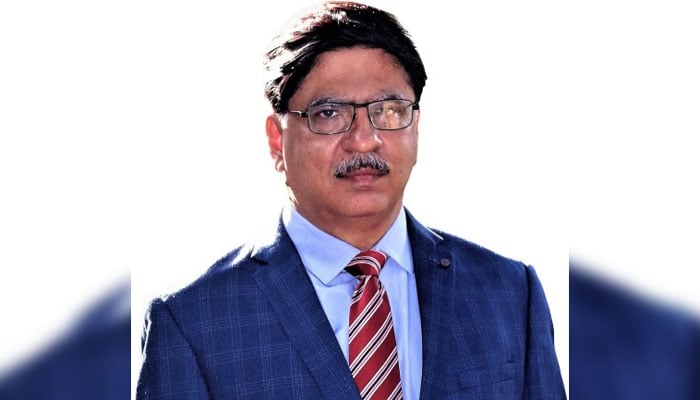
Islamabad : Dr Babar Shahbaz from Agriculture University, Faisalabad, described Pakistan’s situation as a “calorie abundance but nutrition deficit” paradox.
Dr Shahbaz was addressing a consultation on “Integrated roadmap for sustainable food systems transformation in Pakistan” organised by Sustainable Development Policy Institute (SDPI) as part of a nationwide series of dialogues in collaboration with the United Nations Resident Coordinator Office, Food and Agriculture Organisation, UNICEF, World Food Programme, World Health Organisation and International Fund for Agricultural Development.
Dr Shahbaz proposed a five-pillar reform agenda focusing on crop diversification, climate resilience, improved value chains, adoption of a “One Health” approach, and data-driven governance.
Sitara Gill, the representative of FAO, underlined stark imbalances in Pakistan’s food system, noting that while grains, fats, oils and sugar are abundantly available, the supply of fruits and vegetables remains far below recommended dietary levels. She also pointed to rising consumption of ultra-processed foods as a growing concern.
SDPI Executive Director Dr Abid Qaiyum Suleri asked the experts to offer candid feedback on the proposed framework, emphasising that even critical or dissenting views would help refine a holistic roadmap for the government. He said the consultation aimed to pool expertise and practical experience to develop an inclusive and actionable strategy.
Dr Imran Khalid, a political economy analyst, said that Pakistan’s food policy remains heavily centered on wheat and sugar, often influenced by powerful interest groups such as large landowners and industrial lobbies. He called for redefining the government’s role from a dominant market player to a regulator ensuring transparency, fair pricing and climate-smart agriculture.
SDPI Deputy Executive Director Dr Shafqat Munir called for repurposing subsidies currently allocated to sugar and fertilisers toward making nutritious food more affordable. He concluded with a call for a “whole-of-society” approach, combining government action, community engagement and private sector participation to address Pakistan’s dual challenge of food security and nutrition deficiency.
Safdar Sohail, a trade expert, stressed the need for a coherent policy framework. He also warned that increasing financialisation of staple crops and reliance on social safety nets like Benazir Income Support Programme (BISP) reflect deeper structural problems.
Omar Bangash from WFP highlighted governance gaps and the lack of political commitment to address these issues, while highlighting difficulties in cash transfers in vulnerable regions due to regulatory constraints.
Qawi Khan from Nutrition International, noted that wheat-based diets provide limited nutritional value and called for urgent legislation on food fortification, particularly in Punjab.
Faiz Rasool of Global Alliance for Improved Nutrition (GAIN) pointed out the absence of a comprehensive national food system transformation pathway despite extensive consultations. He emphasised the need to address key areas such as food safety, post-harvest losses and fortification.
Aftab Alam Khan of Resilient Future International called for better pricing mechanisms and improved storage infrastructure to reduce wastage.
SDPI Deputy Executive Director Dr Sajid Amin stressed the importance of incorporating provincial realities into national policy planning.