KARACHI: India on Monday rejected a report by the US Commission on International Religious Freedom (USCIRF), recommending that Washington impose targeted sanctions on individuals and entities, such as India’s Research and Analysis Wing and the Rashtriya Swayamsevak Sangh (RSS), for their responsibility and tolerance of severe violations of religious freedom by freezing their assets and/or barring their entry into the US.
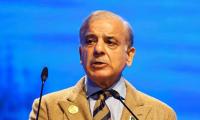
“We categorically reject its motivated and biased characterisation of India,” Indian foreign ministry spokesperson Randhir Jaiswal said in response to the report, according to Indian news outlet ‘Hindustan Times’.
The commission’s 2026 annual report, released earlier this month, also urged that India be designated as a “country of particular concern” over violations of religious freedom. Indian officials called the assessment “motivated” and “biased”.
“For several years now, USCIRF has persisted in presenting a distorted and selective picture of India, relying on questionable sources and ideological narratives rather than objective facts,” he added.
The report also suggested linking future US security assistance and trade policy to improvements in religious freedom. India’s foreign ministry dismissed the findings, saying such “repeated misrepresentations” undermine the credibility of the commission.
Jaiswal also said the panel should instead reflect on incidents in the US, including attacks and vandalism targeting Hindu temples and what he described as growing intolerance and intimidation against members of the Indian diaspora.
The commission’s report alleged that religious freedom in India continued to decline as authorities enforced laws critics say target minority communities, including the Unlawful Activities Prevention Act, the Citizenship (Amendment) Act and the National Register of Citizens.
In its report, USCIRF Vice Chair Asif Mahmood said, “Religious freedom is a universal human right for all. Reporting on religious freedom conditions abroad is more imperative than ever. Government repression and non-state actor violence are on the rise in many places around the world, often devastating targeted religious communities and taking innocent lives.”
The report also cited anti-conversion laws in several states that carry harsher prison sentences, and incidents of violence linked to cow-protection measures. According to the commission, authorities have also used anti-terrorism legislation to detain activists linked to protests against the citizenship law.
It further highlighted cases involving arrests of activists, academics and religious figures, and criticised the treatment of refugees and migrants, including Rohingya Muslims. The report noted that the US continued diplomatic engagement with India during the year, including meetings between US President Donald Trump and Indian Prime Minister Narendra Modi, though religious freedom was not publicly discussed during the visit.
India, the world’s most populous democracy with about 1.4 billion people, is predominantly Hindu but also home to large Muslim, Christian and Sikh communities. While the constitution guarantees freedom of religion, the commission said policies introduced since 2014 have increasingly affected minority groups.