A surge in jet fuel prices, driven by the ongoing US-Israeli war on Iran, has upended the global aviation industry, prompting airlines to raise fares and revise financial outlooks.
Jet fuel prices have soared from $85-$90 per barrel to $150-$200 per barrel in recent days for an industry where fuel accounts for up to a quarter of operating expenses.
Below is a list of how airlines are responding:
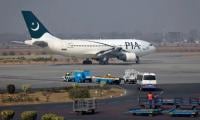
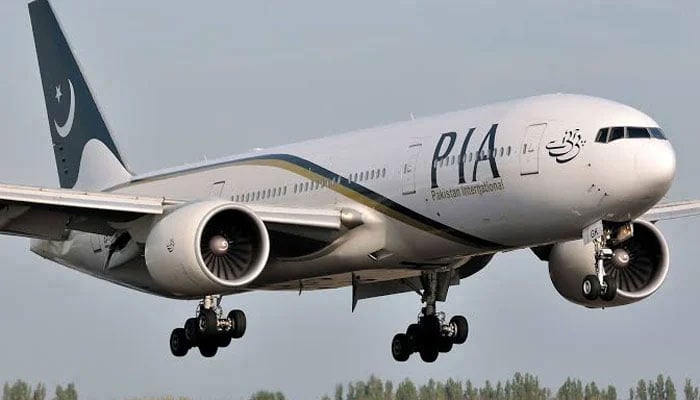
The Pakistan-based carrier said on Thursday it would raise domestic and international flight fares by $20 and up to $100, respectively, citing higher fuel surcharges.
The Greece-based airline said on Thursday that it expects suspended Middle East flights and a sharp spike in fuel prices to have a “notable impact” on its first-quarter results.
The French airline on March 12 announced plans to increase long-haul tickets prices to address surging jet fuel costs. It said cabin fares would rise by 50 euros ($57.32) per round trip.
The airline was on March 10 one of the first to announce broad increases to ticket prices and also suspended its fiscal 2026 earnings forecast due to unprecedented volatility in global jet fuel markets.
The price hikes for one-way economy fares are set at NZ$10 ($6) on domestic routes, 20 New Zealand dollars on short-haul international services and 90 New Zealand dollars on long-haul flights, with further price, network and schedule changes possible if jet fuel costs remain elevated.
The Hong Kong airline said on March 12 it would raise fuel surcharges on all routes from March 18, citing a doubling of jet fuel prices since the start of the month.
Earlier in March, the company noted it reviews fuel surcharges monthly and had kept them steady last month at $72.9 for flights between Hong Kong and Europe or North America.
The Philippines-based airline on March 13 addressed the ongoing crisis in the Middle East, citing a sharp rise in fuel prices as a key concern. It said it would persist in reviewing its pricing and network strategies to mitigate negative impact of escalating fuel costs.
The carrier said it would raise fuel surcharges by up to 35.2 per cent from March 12, with the sharpest increase on flights between Hong Kong and the Maldives, Bangladesh and Nepal where charges will rise to 384 Hong Kong dollars ($49) from 284 Hong Kong dollars.
British Airways-owner IAG said on March 10 that it was not planning to hike ticket prices immediately, as it had hedged much of its fuel for the short- to mid-term.
The Australian airline said on Tuesday it would hike fares on its international routes for the week of March 9 and that it was considering adding capacity on its existing Europe routes in the coming months.
The dominant airline in the Nordic countries said on March 10 that it had implemented a temporary price adjustment due to rising jet fuel prices.
The Thailand-based carrier said on March 11 it would raise fares by 10 per cent to 15 per cent to address rising fuel costs.
The airline’s CEO Scott Kirby said on March 6 that he expects a “meaningful” hit to the carrier’s first-quarter results from the surging fuel prices.
The Vietnam-based airline said it had requested government assistance to remove an environmental tax on jet fuel, as operating costs for Vietnamese airlines have surged by around 70 per cent due to jet fuel prices rise, according to local officials.