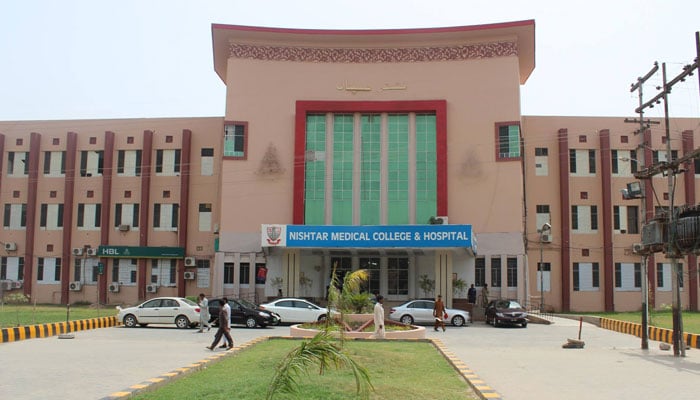
ISLAMABAD: Genetic analysis of HIV samples from dialysis patients at Nishtar Hospital Multan has provided strong scientific evidence that the infections likely originated from a single source within the hospital’s dialysis unit, raising serious concerns about infection prevention practices in healthcare facilities.
The findings come from a scientific investigation led by infectious diseases experts including Prof Faisal Mahmood of Aga Khan University Hospital Karachi, which used advanced genetic sequencing to examine the virus in patients affected during the outbreak.
The analysis found that the virus samples from the patients were almost genetically identical, indicating that the infections likely spread from a common source within the dialysis centre rather than from unrelated infections in the community.
The investigation focused on 25 patients undergoing haemodialysis at Nishtar Hospital after health authorities detected an unusual cluster of HIV cases between October and December 2024. The patients ranged in age from 23 to 72 years, with a median age of about 45 years, and slightly more than half were men.
Researchers also discovered that 96 per cent of the patients were infected with Hepatitis C, another blood-borne virus commonly transmitted through contaminated medical equipment or unsafe injections, while none tested positive for Hepatitis B.
Using genetic sequencing techniques, scientists examined the structure of the virus in the infected patients and found that all infections belonged to the same HIV subtype known as CRF02_AG. The genetic similarity of the viral samples indicated that the infections most likely originated from a recent common source, pointing towards transmission within the dialysis unit.
The analysis further suggested that the viral cluster likely emerged between 2023 and 2024, which closely matches the period when the outbreak was detected.
Experts say the study highlights the importance of phylogenetic analysis, a modern scientific method used to trace how infectious diseases spread.
In simple terms, phylogenetic analysis works like building a “family tree” of viruses. By comparing the genetic sequences of viruses found in different patients, scientists can determine whether infections came from the same source or from unrelated exposures. If the virus samples are nearly identical, it suggests that they likely originated from a single transmission chain.
Prof Faisal Mahmood, one of the authors of the study and a leading infectious diseases specialist at Aga Khan University Hospital, said such molecular investigations have become an important tool for understanding outbreaks.
“Phylogenetic analysis allows scientists to reconstruct how infections spread. When virus samples cluster closely together genetically, it provides strong biological evidence that they share a recent common source,” he explained.
He added that outbreaks linked to healthcare facilities often point to failures in infection prevention and control, such as the reuse of contaminated equipment, improper sterilisation of dialysis instruments or unsafe handling of blood products.
Investigators also found that 88 per cent of the affected patients had a history of blood transfusions, suggesting that unsafe transfusion practices could also contribute to transmission in settings where blood screening and monitoring systems are weak.
Dialysis units are considered high risk environments for transmission of blood-borne infections because patients require repeated procedures involving blood access several times a week. Without strict infection control protocols, viruses such as HIV, hepatitis B and hepatitis C can spread from one patient to another.
Pakistan has witnessed several HIV outbreaks over the past two decades, many of them linked to unsafe medical practices. The most widely known outbreak occurred in Ratodero, Sindh, in 2019, where more than 900 people, mostly children, were infected due to contaminated injections and poor infection control practices.
Pakistan is currently facing a growing HIV epidemic. According to national estimates, more than 240,000 people are believed to be living with HIV in the country, although only a fraction have been diagnosed and are receiving treatment.
Prof Mahmood said dialysis patients are particularly vulnerable because they undergo frequent invasive procedures involving blood circulation through machines.
“When infection prevention protocols are not rigorously implemented, dialysis units can unfortunately become environments where blood borne infections can spread,” he said.
He stressed that strict hygiene measures, proper sterilisation of equipment, safe handling of needles and syringes, and screening of blood products are essential to prevent similar outbreaks in the future.
The researchers concluded that although genetic analysis strongly indicates a common source of infection in the Multan outbreak, further epidemiological investigation is required to determine the exact mechanism through which the virus spread within the dialysis facility.