KARACHI: The oil sector has urged the federal government to reduce the petroleum levy (PL) on petrol and high-speed diesel (HSD) to shield consumers from the impact of a potential increase in fuel prices, as international oil rates rise amid escalating tensions involving the US, Israel and Iran.
The government currently charges a petroleum levy of Rs84.4 per litre on petrol and Rs76.21 per litre on HSD. In addition, a climate support levy (CSL) of Rs2.5 per litre is imposed. The government also collects import duties of around Rs30-35 per litre on these products, bringing total taxation to roughly Rs120-125 per litre on petroleum products in Pakistan.
Industry officials warned that global oil markets have become highly volatile due to tensions in the Middle East, which could lead to a significant increase in petroleum product prices in Pakistan in the next pricing review if the full impact of international prices is passed on to consumers.
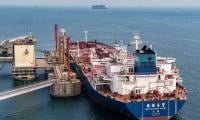
They said the government should consider temporarily cutting the petroleum levy to provide relief to the public and prevent additional inflationary pressure on the economy. According to industry representatives, international oil prices have risen following the intensification of hostilities in the region, raising concerns about possible supply disruptions and higher freight costs. The Middle East remains a key hub for global oil supplies, and any disruption there can significantly influence fuel prices worldwide.
Recent developments have already pushed up diesel prices in major markets, reflecting concerns over tightening supply. Analysts warn that continued instability could drive fuel costs higher globally and affect countries heavily dependent on imported petroleum, including Pakistan.
Pakistan imports a large share of its crude oil and refined petroleum products; therefore, fluctuations in international markets are quickly transmitted to domestic fuel prices. Oil industry officials said that if global prices continue to rise, petrol and diesel prices in Pakistan could increase further. They noted that crude oil in the Dubai market has surged to around $100 per barrel, while diesel and petrol prices have climbed to about $150 and $100 per barrel, respectively.
Stakeholders in the oil sector argued that even a temporary reduction in the petroleum levy could help offset the expected rise in international prices and provide relief to consumers already burdened by high inflation and rising transport costs.
They pointed out that diesel prices, in particular, have a direct impact on agriculture, transportation and logistics, and any increase quickly translates into higher food and commodity prices.
“The government should consider temporarily reducing the petroleum levy to cushion the impact of international oil price volatility,” a senior executive at an oil company said. “This step could help stabilise domestic fuel prices and protect consumers from sudden shocks.”
Pakistan relies heavily on petroleum levy collections as a key source of federal revenue. However, industry officials said maintaining high taxes on petroleum products during periods of sharp global price increases could intensify public pressure and fuel inflation.They suggested that a balanced approach is needed in which the government manages its fiscal targets while also protecting consumers from excessive price increases.