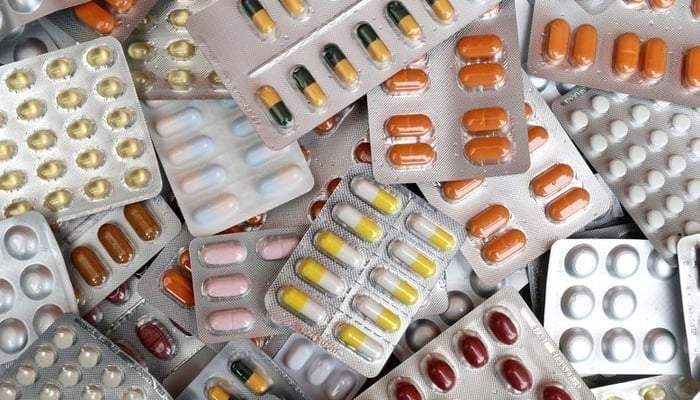
Islamabad:More than 99 percent of all registered medicines are currently available in the Pakistani market and there is no shortage of drugs, officials in the Ministry of National Health Services and the Drug Regulatory Authority of Pakistan (DRAP) said, attributing the improved supply situation to the deregulation of prices of non-essential medicines.
Health officials said the policy, despite some criticism, had helped restore the availability of medicines that had disappeared from pharmacy shelves for years due to unviable government fixed prices, maintaining that the government has no plan to reverse the deregulation policy.
“There is no proposal under consideration to withdraw deregulation. The policy remains in place,” a senior health ministry official told this correspondent, adding that the improved supply of medicines across the country was one of the clearest indicators that the policy had worked.
Officials said internal assessments by the ministry and DRAP show that the pharmaceutical market has stabilised after years of shortages of several widely used medicines. They said the earlier system of rigid price controls, without timely adjustments for inflation, currency depreciation and rising production costs, had made the manufacture of many low margin medicines commercially unviable.
A senior DRAP official said many companies had stopped producing certain medicines because their controlled prices were lower than production costs, creating persistent shortages. “When manufacturers stop producing medicines because they are selling below cost, shortages become inevitable,” the official said. “Those shortages create space for hoarding and counterfeit products. Deregulation helped restore supply chains and reduced incentives for fake medicines.”
Officials emphasised that the deregulation policy applies only to non essential medicines, while hundreds of essential and life saving drugs remain under government price control. They said this mechanism was designed to maintain a balance between affordability and ensuring a sustainable supply of medicines.
“It is not a free for all. There is still a regulatory framework and monitoring system in place,” a DRAP official said, adding that the authority continues to monitor price movements and market behaviour to prevent unjustified increases.
Industry representatives have also credited deregulation with ending long standing shortages. The Pakistan Pharmaceutical Manufacturers Association has said that medicines which had disappeared from the market due to outdated price caps returned to pharmacies after prices were allowed to reflect actual production costs.
According to pharmaceutical manufacturers, previous price caps did not account for inflation, the depreciation of the rupee and the rising cost of imported raw materials, making it increasingly difficult for companies to sustain production of several low cost medicines. Health officials say improved medicine availability has also had positive implications for patient care. Hospital pharmacists and provincial drug regulators have reported a significant reduction in complaints about stock outs of routine medicines.
“When medicines are consistently available, patients are less likely to skip treatment, change therapies arbitrarily or turn to unregulated sources,” a senior health official said, adding that stable supply improves both individual treatment outcomes and broader public health.
Officials acknowledged that concerns about affordability remain, particularly for low income households facing rising living costs. They said the government is exploring targeted measures such as stronger price monitoring, improved supply chain transparency and social protection mechanisms to support vulnerable patients.
“There are genuine concerns about affordability, and the government is examining ways to address them,” a health ministry official said. “However, the previous regime resulted in empty shelves. The current approach has improved availability while keeping essential medicines under price control.”
DRAP officials said broader regulatory reforms were also under way to strengthen quality surveillance, inspections and pharmacovigilance to ensure that improved supply does not compromise patient safety.