ISLAMABAD: With tensions escalating in the Gulf and uncertainty surrounding the status of Strait of Hormuz, Pakistan may seek inclusion in Saudi Arabia’s list of preferred countries for crude oil supplies via the Red Sea route if the disruption persists beyond 10-12 days, well-placed sources at the Petroleum Division told this scribe.
The Strait of Hormuz remains one of the world’s most critical energy corridors. In 2023-24, approximately 20-21 million barrels per day (b/d) of crude oil, condensate and petroleum products passed through the narrow waterway — nearly 20 percent of global petroleum liquids consumption. Around 20 percent of global LNG trade, primarily from Qatar and the UAE, also transits the Strait en route to Asian markets. Analysts warn that crude prices could surge to $100-$150 per barrel if the passage remains blocked for an extended period.
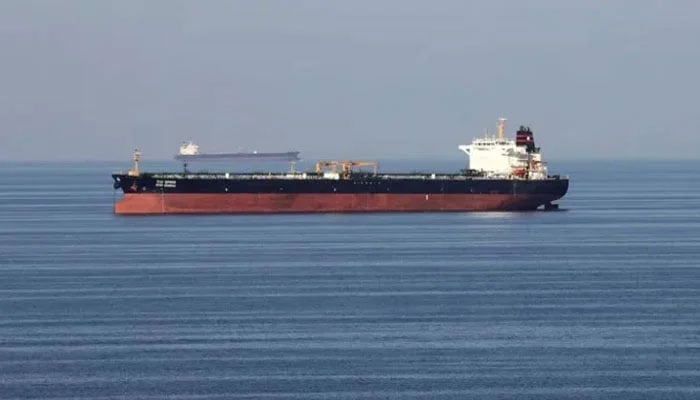
Pakistan relies heavily on Gulf energy imports. It sources LNG from Qatar, diesel from Kuwait, and crude oil largely from Abu Dhabi National Oil Company (ADNOC) — all typically shipped through Hormuz. Officials confirmed that two crude oil tankers, including one operated by the Pakistan National Shipping Corporation (PNSC) MT Karachi, are currently stranded in the Strait, while another cargo that was at the loading stage is unlikely to sail under the prevailing circumstances. LPG imports through both sea and land routes have also been curtailed significantly, raising fears of steep domestic price increases. Two LNG cargoes that crossed Hormuz prior to the escalation are expected to reach Pakistan within days, offering temporary relief.
A high-level meeting was convened here on Sunday morning, which was the second one in a row in two days to assess petroleum, oil and lubricants (POL) stocks, chaired by Petroleum Minister Ali Pervaiz Malik and Finance Minister Muhammad Aurangzeb, alongside senior officials and refinery heads. Officials informed the meeting that Pakistan currently holds approximately 30 days’ stock of petrol and high-speed diesel. However, beyond next week — if hostilities continue — supplies of crude oil, LNG and imported diesel could face severe constraints. Authorities may then be forced to procure finished petroleum products directly from the open market at elevated premiums. Pakistan already imports a significant portion of petrol from Singapore and diesel imports from the same market could increase, albeit at higher freight and insurance costs. Interestingly, Pakistani authorities remain optimistic that Gulf tensions will ease within a week.
However, in anticipation of a prolonged disruption, Pakistan is expected to formally approach Saudi Arabia for crude supplies routed through the Red Sea. Saudi Arabia can bypass Hormuz using the East-West Crude Oil Pipeline (Petroline), which transports crude from eastern oil fields to Red Sea export terminals. From there, shipments are dispatched to key buyers including China, Japan, South Korea and India. Inclusion in this preferred buyers list could allow Pakistan to maintain refinery operations despite Gulf shipping disruptions. However, experts caution that LNG imports — primarily dependent on Qatar — would remain vulnerable, as Saudi Arabia is not a major LNG exporter.
Pakistan produces approximately 70,000 barrels per day of crude oil domestically but imports around 300,000 barrels per day to meet refinery requirements. The country imports about 70 percent of its petrol consumption, while it produces roughly 70 percent of its diesel domestically. A prolonged closure of Hormuz would likely drive up fuel and LPG prices, trigger gas shortages, widen the current account deficit, increase inflationary pressures and strain foreign exchange reserves.
Private sector options may provide a buffer. The CNergico refinery, a private facility in Pakistan with a capacity of 156,000 barrels per day, has previously imported six large crude oil shipments of West Texas Intermediate (WTI), each carrying one million barrels at a cost of $430 million, bypassing the Strait of Hormuz. Authorities could leverage this option to mitigate the impending shortage of POL products in the country, ensuring continued refinery output and partial relief from the Gulf disruption.
For now, existing stocks provide a temporary cushion. But if the Strait remains inaccessible beyond two weeks, Pakistan could face one of its most serious energy disruptions in recent years. The unfolding crisis highlights the country’s structural dependence on Gulf energy routes and underscores the urgency of diversifying supply chains, expanding strategic reserves and accelerating domestic energy development. As global markets monitor developments in the Strait of Hormuz, Islamabad is preparing contingency plans to navigate what may become a defining energy security challenge of 2026.