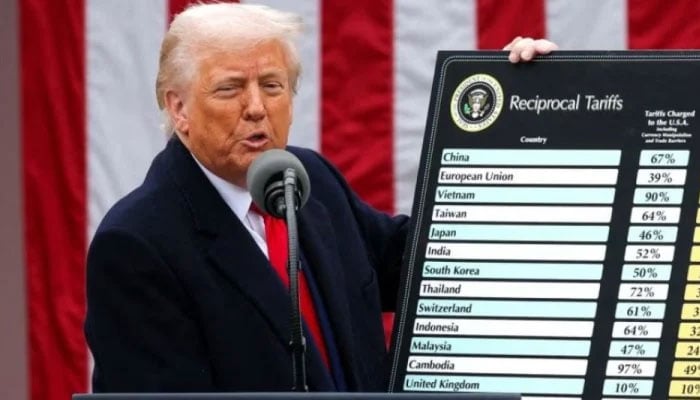
ISLAMABAD: Pakistan has stepped up high-level diplomatic engagement in Washington to seek a further reduction in the recently agreed 19 per cent US tariff to 15-16 per cent, aiming to shield its exports from mounting regional competition after fresh concessions were granted to India and Bangladesh.
A delegation led by Commerce Secretary Javed Paul has been in the United States for four days, holding talks with officials from the Office of the United States Trade Representative (USTR) to review the tariff framework and press for equitable treatment, top sources at the Commerce Ministry confirmed to The News.
The urgency follows a recalibration of US tariff rates in South Asia. Under the updated structure, Indian goods now face an 18 per cent tariff, compared with Pakistan’s 19 per cent, while Bangladesh and Vietnam average 20 per cent. Although, the numerical gap appears small, officials say that in price-sensitive sectors such as textiles and garments, even a one-percentage-point difference can influence sourcing decisions by major US buyers. Pakistan fears that India’s lower headline rate — combined with category-specific exemptions — could further tilt competitiveness in New Delhi’s favour.
More consequential, Pakistani officials argue, is Washington’s decision to grant zero-duty access to a large share of Bangladeshi garment exports, provided they are produced from cotton imported from the United States. Islamabad maintains that similar treatment should apply to Pakistani garments made from US cotton. In 2024, Pakistan imported about $700 million worth of American cotton, a figure that has risen to roughly $1 billion in 2025 as textile mills increased purchases. Authorities contend that if zero-tariff concessions were extended to value-added apparel made from US cotton, Pakistan could generate up to $6 billion in additional exports while simultaneously boosting demand for American farm output.
The tariff talks come against the backdrop of expanding but imbalanced bilateral trade. Goods trade between Pakistan and the United States stood at $7.6 billion in FY2024-25, with Pakistan exporting $5.8 billion and importing $1.8 billion, reflecting about 16 per cent year-on-year growth. From the US calendar-year perspective, total trade in goods and services reached approximately $10.1 billion in 2024, according to available data. Pakistani officials note that the United States remains their largest single-country export market, making tariff alignment critical to sustaining foreign exchange earnings.
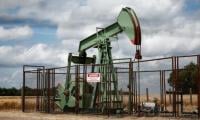
Islamabad has also moved to narrow the bilateral trade gap through higher US imports. Private refinery Cnergyico has so far purchased around $430 million worth of US crude oil (WTI), signalling Pakistan’s intent to deepen commercial interdependence and demonstrate goodwill in balancing trade flows.
Pakistani officials argue that tariffs are only one component of competitiveness, alongside production efficiency, supply-chain reliability and vertical integration. Nevertheless, they stress that parity in tariff treatment is essential to prevent erosion of Pakistan’s established market share in American retail supply chains. As talks continue in Washington, Islamabad seeks equal access — particularly zero-duty treatment for garments produced from US cotton — would create a mutually beneficial outcome, supporting American farmers while safeguarding Pakistan’s export-driven industries.