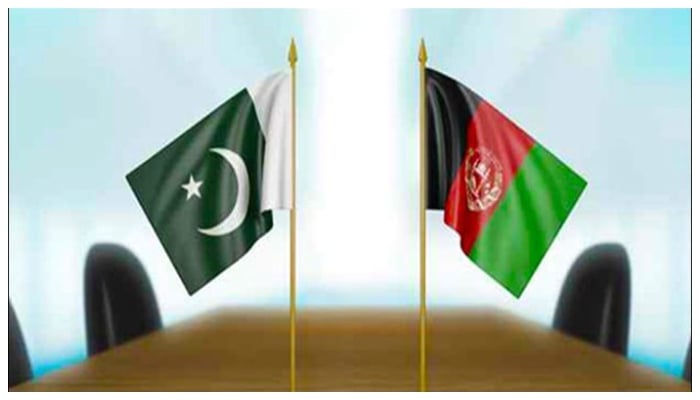
Pakistan’s message to Kabul has grown both firmer and more carefully worded: there is no desire for conflict, but there is no longer any space for ambiguity. As Islamabad reiterated this week, diplomacy remains open and yet it is diplomacy conducted under the constant threat of violence emanating from across the border. For Pakistan, the challenge is no longer one of articulation but of enforcement. The latest report of the United Nations Security Council has given international weight to what Pakistan has been stating for years. The document clearly notes that Afghanistan continues to provide a permissive environment to terrorist organisations, including the banned Tehreek-e-Taliban Pakistan (TTP), while also identifying Al-Qaeda as a facilitator and multiplier for other armed groups. The finding that the TTP now enjoys greater operational freedom and support following the Taliban’s 2021 takeover removes any lingering doubt about where responsibility lies.
What makes this moment significant is not merely the content of the report but the unanimity behind it. Pakistan’s concerns are no longer being voiced in isolation or dismissed as regional rivalry. The renewal of the Taliban sanctions monitoring mechanism and the statements accompanying it reflect a rare consensus within the UN Security Council: Afghan soil must not be used to threaten or attack neighbouring states. This is a diplomatic validation that Islamabad has long sought and one that shifts the burden of response squarely onto Kabul. Pakistan’s approach, as reflected in statements from the Foreign Office and its permanent mission to the UN, has remained notably restrained. Officials have stressed peace, stability and dialogue, even while warning that patience is wearing thin. The assertion that ‘diplomacy continues even in wars’ is also to be noted: signalling a commitment to engagement, but also recognising that diplomacy alone cannot substitute for action when terrorism continues unchecked. The implications of continued inaction by the Afghan Taliban extend beyond Pakistan. The presence of multiple militant outfits – from the TTP and Baloch armed groups to Daesh-K and Al-Qaeda – points to a broader regional and international security challenge. Allowing these actors to operate with impunity risks turning Afghanistan into a hub of transnational militancy, undermining not only Pakistan’s security but that of Central Asia, Iran and beyond.
At home, the Pakistani state faces a narrowing margin for manoeuvre. Public expectations demand security, not statements. Each new attack hardens the perception that goodwill has not been reciprocated and that denial has replaced cooperation in Kabul’s response. Yet escalation carries risks of its own in a region already burdened by conflict and competing geopolitical interests. This is why multilateral engagement, rather than unilateral action, rightly remains Pakistan’s preferred path. The responsibility now lies with the international community to ensure that its words carry consequences. Monitoring mechanisms and reports, while important, cannot become substitutes for accountability. For the Afghan Taliban, the choice has been clearly framed: continued denial and isolation, or meaningful action leading to engagement and legitimacy. For Pakistan, the position is increasingly unambiguous. Peace with Afghanistan remains a strategic imperative, but peace at the cost of enduring violence is unsustainable. Diplomacy can remain open, but it cannot remain hollow. The Afghan Taliban need to look inward and figure out their fractured politics and policies. How long can this continue?