LALAMUSA:As the holy month of Ramazan approaches, a familiar but unwelcome shadow looms over the kitchens of Lalamusa.
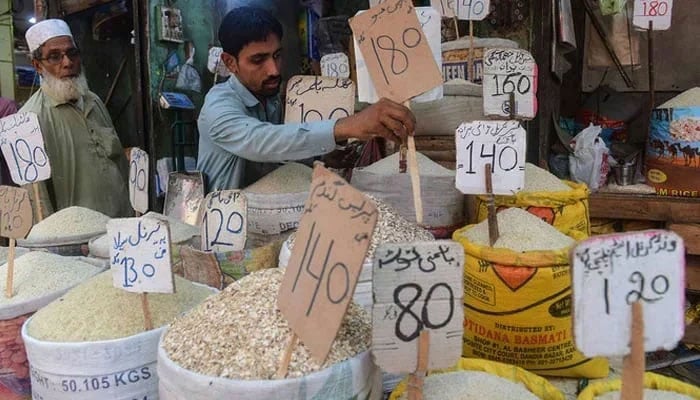
For residents of this bustling city and its surrounding areas, spiritual anticipation is increasingly overshadowed by economic anxiety. Despite the district administration’s attempt to rein in prices through a revised official rate list issued on February 11, 2026, the situation on the ground tells a different story. The widening gap between government mandates and market realities has rendered official price lists largely symbolic in the eyes of many citizens. In the narrow alleys and busy bazaars, the so-called “Ramazan premium” is already in effect. Gram flour — essential for the pakoras that adorn iftar tables — is officially priced at Rs210 per kilogram. However, consumers report it has been selling for around Rs280, even before the government’s notification took effect.
The disparity is even more pronounced at the butcher’s shop. While the administration has fixed beef at Rs900 and mutton at Rs1,700 per kilogram, market prices tell another tale. Beef is being sold between Rs1,400 and Rs1,600, and mutton has surged to Rs2,500 per kilogram. Milk is being sold at Rs200 per liter against a notified rate of Rs170. Most alarming for low-income families is the cost of wheat flour.
A 20-kilogram bag, which the government suggests should retail for Rs1,810, is reportedly being sold for over Rs3,000 in several neighbourhoods. Public sentiment reflects growing frustration and skepticism. Residents argue that without visible and sustained enforcement — beyond sporadic fines — the official rate lists amount to little more than paperwork. Some even fear that the announcement of revised rates inadvertently signals wholesalers to tighten their grip on supply and inflate prices further. As Ramazan — a month defined by charity, restraint, and compassion — draws near, the irony of unchecked profiteering is not lost on the people.