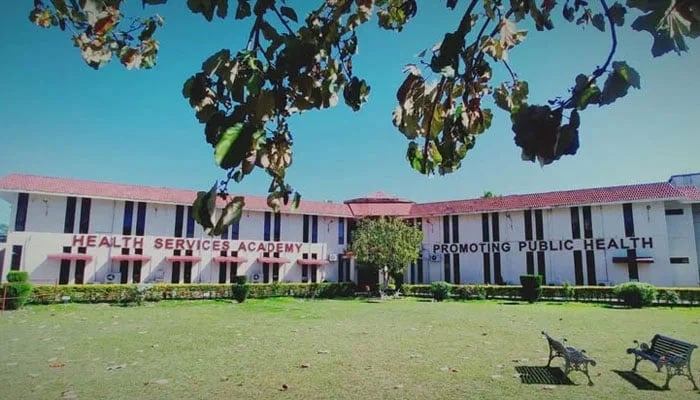
ISLAMABAD: The Health Services Academy (HSA) has offered to introduce degree-level education in Tibbe Unani in Pakistan on the pattern of China’s Traditional Chinese Medicine (TCM), saying formal education and regulation are essential to revive traditional medicine and provide safer, affordable options for patients suffering from chronic diseases.
The degree-awarding institution has urged senior hakims and practitioners to help develop a modern, evidence-based curriculum and seek approval from the Higher Education Commission (HEC) so that trained professionals can be produced through universities rather than through informal and unregulated routes.
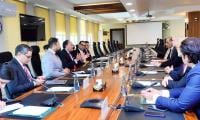
Addressing a meeting of the Standing Committee on Tibbe Unani at the Rawalpindi Chamber of Commerce and Industry (RCCI), Vice Chancellor Health Services Academy Prof Dr Shahzad Ali Khan said traditional medicine in Pakistan could not progress without being brought into the mainstream academic and regulatory framework.
“As modern medicine’s errors are reportedly killing around three million people globally every year, it is time to promote traditional systems of medicine as complementary options, especially for chronic diseases,” he said. “But this must be done through proper education, regulation and evidence, not quackery.”
Prof Khan said HSA was ready to launch degree programmes in Tibbe Unani once the curriculum was developed and formally approved by the HEC. Under the regulatory framework, new degree programmes require a defined curriculum, qualified faculty, clinical training arrangements, research components and formal accreditation. He said hakims, medical educationists and public health experts would need to work together to meet these standards.
Citing China’s experience, he said that despite being a major producer of raw material for allopathic medicines, more than 60 percent of China’s population still relies on Traditional Chinese Medicine for primary healthcare. “Pakistani hakims can learn from how China has institutionalised and regulated TCM as a formal healthcare industry,” he said.
The HSA vice chancellor urged Tibbe Unani practitioners to move beyond dependence on government patronage and work towards building their field as a regulated industry with standardised education, quality control and pharmacovigilance. “Once it becomes an organised sector, Tibbe Unani can grow in the same way TCM in China and Ayurveda in India have developed,” he added.
He acknowledged that although many Pakistanis prefer traditional remedies, public trust in hakims has suffered due to widespread quackery and exaggerated claims. “People want alternatives, but they do not trust unqualified practitioners. Degree-holding, trained professionals can help restore confidence,” Prof Khan said.
Referring to global trends, he said the World Health Organisation recognises traditional and complementary medicine and encourages its integration into national health systems provided it is evidence-based and safe.
He maintained that rising healthcare costs and concerns over unethical practices in parts of the pharmaceutical sector were also pushing patients towards alternative treatment options.
Chairman of the RCCI Standing Committee on Tibbe Unani Hakeem Abdul Aziz welcomed HSA’s proposal, saying the sector had long suffered due to the absence of formal education and regulatory pathways.
He said hakims were ready to work with academic institutions to modernise curricula, improve standards and promote research to enhance the credibility of Tibbe Unani.
Former RCCI office-bearer Barlas Khan said traditional medicine also had economic potential, noting that with proper regulation and certification, Tibbe Unani could be developed into a healthcare and wellness industry, creating jobs, supporting small businesses and opening export opportunities for herbal products.