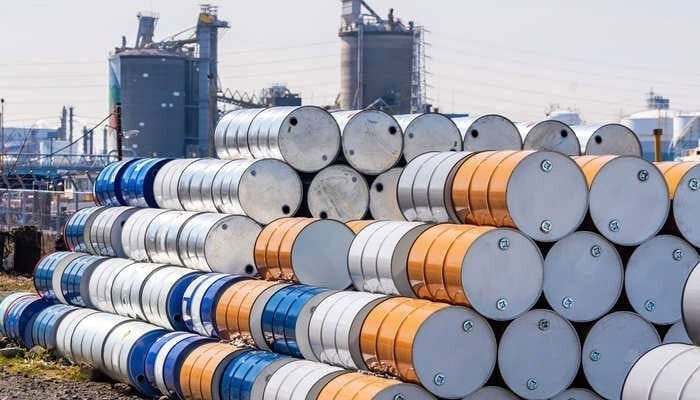
KARACHI: Refineries are set to export around 235,000 metric tonnes (MT) of furnace oil in February 2026 as domestic consumption of the fuel continues to decline sharply, industry sources told The News on Friday.
According to details available, Cnergyico Pk Limited plans to export 45,000 MT, Pakistan Arab Refinery Company (Parco) is preparing shipments of 100,000 MT, National Refinery Limited (NRL) is set to export 40,000 MT, while Pakistan Refinery Limited (PRL) is expected to export 50,000 MT during the month.
Total furnace oil consumption in the country has fallen drastically over the past few years, with monthly demand now limited mainly to select industrial users, captive power units and occasional usage by independent power producers during peak shortages. This reduced demand has frequently resulted in inventory build-ups at refineries, forcing them either to curtail crude processing or seek export markets.
Refineries are exporting the furnace oil amid a persistent slump in domestic demand, caused largely by the government’s pricing and tax regime that has made the fuel far less competitive locally.
Under the Finance Act 2025-26, the federal government introduced a petroleum levy (PL) on furnace oil of approximately Rs77 per litre — equivalent to around Rs82,077 per MT — while a climate support/carbon levy of Rs2.5 per litre, or roughly Rs2,665 per tonne, was also imposed on the fuel.
Together, these levies have dramatically increased the cost of furnace oil in the domestic market — reportedly by more than 80 per cent compared with earlier levels — prompting many buyers to abandon the fuel or cut consumption sharply as companies seek cheaper alternatives.
“Local demand is no longer sufficient to absorb furnace oil production,” a senior refinery official told The News. “With heavy levies and a shift towards cleaner fuels, exports have become essential to manage inventories and sustain refinery throughput.”
With domestic demand subdued, refineries are now seeking foreign export markets to offload excess furnace oil stocks and keep crude processing lines running.
The continued reliance on exports has also renewed calls for upgrading Pakistan’s ageing refining infrastructure. Refinery officials have long argued that delayed implementation of the government’s brownfield and deep conversion refinery upgrade policy has limited their ability to reduce furnace oil yields and increase production of higher-value fuels such as diesel and petrol.
Without such upgrades, refineries remain exposed to fluctuations in furnace oil demand and international pricing trends. Industry sources stressed that policy clarity, fiscal incentives, and timely approvals are crucial to modernising the sector.