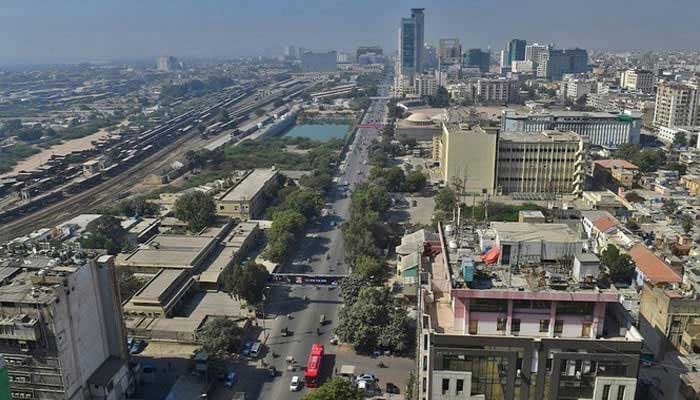
Pakistan is undergoing a rapid urbanisation that is reshaping its economic and social landscape.
Every year, millions migrate from rural areas to cities in search of better jobs, education, and services, creating bustling urban centres that are both engines of growth and epicentres of new challenges. While cities are the heart of Pakistan’s economic dynamism, the rapid pace of urbanisation poses a pressing question: are we prepared to manage this growth sustainably and equitably?
The pace of Pakistan’s urban expansion is unmatched in South Asia. According to the 2017 Population Census, 36.4 per cent of Pakistanis lived in cities, up from 32.5 per cent in 1998. Some estimates place the urban share at over 40 per cent. The UN projects that by 2025, nearly half of the population will be urban residents. The 7th Population and Housing Census of 2023 confirms this trend, reporting an urban population of 39.9 per cent. Such rapid demographic shifts are transforming the country’s social fabric, creating dynamic metropolitan hubs while placing immense pressure on outdated infrastructure.
Urbanisation is closely linked to economic growth. Globally, cities produce more than 80 per cent of GDP, and Pakistan is no exception. Urban centres contribute roughly 55 per cent of the country’s GDP and the ten largest cities, including Karachi, Lahore, Faisalabad, Rawalpindi, Gujranwala, Peshawar, Multan, Hyderabad, Islamabad and Quetta, generate 95 per cent of federal tax revenues. Karachi alone accounts for 12–15 per cent of GDP and over half of federal taxes. Clearly, the country’s prosperity is increasingly urban.
Yet the statistics mask a deeper reality. A World Bank study indicates that 88 per cent of Pakistanis live in areas exhibiting urban traits, nearly double the 39 per cent officially recorded. Satellite data and the Degree of Urbanisation (DoU) method suggest that 46 per cent reside in high-density cities and 42 per cent in moderately dense centres, highlighting a growing disconnect between functional and administrative definitions of urban spaces. Much of the country’s peri-urban expansion, the neighbourhoods where most new urban residents settle, remains invisible in official data, undermining effective planning and public service delivery.
This misalignment has real consequences. Cities under strain face declining property tax revenues, overburdened utilities, and uneven access to health, education and transport services. Rising slums, traffic congestion, pollution and environmental stress are increasingly visible. Without proper planning, Pakistan risks turning its cities from engines of opportunity into centres of inequality and inefficiency.
The challenge is clear: Pakistan needs a paradigm shift in how it plans, builds, and manages its cities. Integrated urban development is essential. Housing, transport, energy, and green infrastructure must be designed in a cohesive manner to meet the needs of rapidly growing populations. Public-private partnerships can mobilise resources efficiently, but strong governance and inclusive policies are critical to ensure equitable access to opportunities. Cities must not only be productive but also resilient and capable of withstanding shocks, including climate-related events, which are becoming increasingly severe in South Asia.
Sustainable urbanisation also means embracing environmentally conscious planning. Low-carbon, resource-efficient cities are no longer optional; they are essential. Expanding green spaces, increasing urban tree cover and investing in energy-efficient public transport are practical measures that can regulate urban temperatures, reduce pollution and improve quality of life. By integrating climate adaptation into urban planning, Pakistan can build cities that are both livable and economically competitive.
Pakistan must also recognise the importance of secondary cities and peri-urban areas. While megacities like Karachi and Lahore dominate headlines, much of the country’s urban growth is happening in smaller urban centres. These cities have immense potential to drive regional economic development, but they often suffer from insufficient infrastructure, poor governance and weak institutional capacity.
By prioritising balanced regional development, Pakistan can prevent the overconcentration of population in mega-urban hubs and reduce pressures on existing cities. The stakes are high. Cities today face a dual imperative: to foster innovation and growth while maintaining inclusivity and sustainability. Talent, investment and competitiveness will increasingly gravitate toward cities that can combine opportunity with quality of life. In a mobile, selective and cost-conscious world, Pakistani cities must evolve to remain economically viable and socially equitable.
Pakistan has made some strides in urban management. Initiatives to improve public transport, enhance municipal governance, and promote climate-resilient infrastructure are steps in the right direction. However, the projected urbanisation rate for 2025 is nearly half of the population living in cities, highlighting the urgent need for action. Urban development must be elevated to a national policy priority. Investments in smart planning, data-driven governance and sustainable infrastructure cannot wait; every year of delay compounds the risks of congestion, pollution and social inequality.
The path forward requires vision and commitment. Policymakers must embrace long-term strategies that prioritise sustainable growth over short-term fixes. Urban planners, civil society and the private sector must collaborate to design cities that are inclusive, resilient and capable of supporting economic prosperity. Communities themselves must be empowered to participate in shaping the future of their neighbourhoods, ensuring that urbanisation benefits all citizens.
Pakistan’s cities are at a crossroads. The choices made today will determine whether urbanisation becomes a catalyst for prosperity or a source of chronic challenges. By adopting integrated, sustainable, and inclusive urban strategies, Pakistan can transform its urban centres into engines of growth that deliver opportunity, equity, and resilience for all. It is now time to act, as cities are not merely places where people live but also the foundation of Pakistan’s economic future.
The writer works on climate finance, carbon markets and sustainable development across disaster risk reduction and climate change.